Water Extraction and Removal in Roseville, MI
Standing water does the most harm in the first hours, and it is dirty from the start when it comes from a drain. The extraction crew pulls it out before it wicks into walls and floors.
(888) 612-9219Roseville standing water help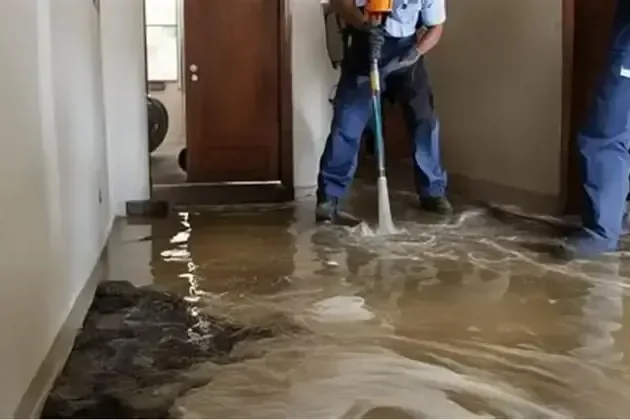
First steps when water extraction and removal hits
- Identify the source. Supply water is clean, while drain or flood water is contaminated, so find out which it is.
- Stay clear of power. Keep out of standing water near outlets, and have the area's breaker turned off.
- Lift what you can. Raise furniture legs onto blocks, take rugs and small items to a dry room and photograph everything first.
- Call for extraction. The longer water sits, the further it wicks, so pumping early protects walls and flooring.
On July 6, 2019, a flash flood put floodwater and sewage into basements on Blumfield Street near I-696, so extraction in Roseville often means removing water that is dirty from the start. The first question is always where the water came from, because the answer sets the safety steps.
What does water extraction and removal cost in Roseville, MI?
Cost depends on how much water there is, how many rooms it reached and whether it is clean or contaminated, so one wet room is a small job and a flooded basement with sewage is much larger.
Single room
- Clean water across one whole floor
- Portable or truck-mounted pumping
- Carpet and pad checked
Basement level
- Inches of water over a slab
- Submersible pump-out and wand work
- Carpet and pad lifted
Large or contaminated
- Several rooms or deep water
- Category 2 or 3 handling
- Extra crew time and disposal
Ranges are typical, not a quote: the water category, square footage, material class and how fast drying started move the number most. Run the water damage cost calculator for a closer range.
What the extraction gear does
Different machines handle different depths, and the crew switches as the water drops.
- Submersible pumpsPumps clear deep water quickly and are fitted with strainers, so debris from a flooded floor does not clog them.
- Truck-mounted unitsA truck-mounted extractor has the suction to pull water from carpet, pad and hardwood seams that portable units miss.
- Portable extractorsSmaller units reach second floors, tight rooms and places a hose cannot run, and they pull water off tile and vinyl.
- Wand workSlow passes with a wand lift more water than fast ones, and the pad under carpet is checked for trapped moisture.
Standing water right now?
Extraction, drying and the claim file start with one call.
Sorting clean, gray and black water
Clean water from a supply pipe can usually be extracted and dried in place. Water from an appliance drain or a sump pit is gray, and anything from a floor drain, a toilet backup or a flood is treated as black, which means porous materials come out instead of being saved.
Contaminated cases continue as sewage backup cleanup, and flood cases follow storm and flash flood cleanup.
Why extraction is only the first step
Pulling the water out does not finish the job, because walls, subfloor and slab keep moisture the pumps cannot reach. After extraction the tech maps the damp areas with a meter and thermal camera and decides what dries in place and what needs structural drying. Equipment is set, readings begin, and the file records the water category, the depth and the materials removed.
How water extraction and removal is handled, step by step
Source and safety
The tech finds the source, checks for power hazards and decides the water category before any pumping starts.
Bulk removal
Pumps take the depth down in stages, then extractors work the floor while debris is cleared from low spots.
Carpet and pad
Carpet is lifted and the pad is extracted or discarded depending on the water category.
Moisture check
A meter confirms what is still wet, and the job moves into drying, with the readings written into the file.
What every dry-out here is held to
Rapid local response
Dispatch runs 24/7, and active water is treated as urgent at any hour, nights and holidays included.
IICRC S500 drying standard
Moisture mapping comes first, then structural drying with air movers and LGR dehumidifiers until readings reach the dry goal.
Claim-ready documentation
Moisture maps, daily psychrometric logs and timestamped photos taken before any tear-out go into the claim file.
Lakeshore water know-how
Prewar basements, combined sewers, heavy clay and ice dams shape most losses near Lake St. Clair, and the walkthrough checks for each one.
Water extraction and removal across Roseville and nearby
Water extraction crews work across the whole city, including homes on and around Blumfield Street, Hayes Road, Gratiot Avenue, the Common Road area and the Macomb Mall area.
The same service nearby: water extraction and removal in Grosse Pointe, Eastpointe, Harper Woods.
Water damage restoration in Roseville › Every town covered ›
Related water damage services in Roseville
Water Extraction and Removal questions in Roseville
Can a shop vac replace extraction?
A shop vac handles a small spill, but it cannot move deep water or pull moisture out of carpet pad, and it spreads bacteria if the water was contaminated.
Can carpet be saved after extraction?
If the water was clean and the carpet was extracted promptly, it can often be dried in place, though the pad usually goes. Carpet from black water is discarded.
Is extraction enough to dry the house?
No. Extraction removes liquid water, but moisture left in walls, framing and subfloor needs dehumidifiers and air movers until the readings match a dry reference.
Is flood and sewer water handled differently?
Yes. Water that came through a drain or crossed streets carries bacteria, so crews wear protective gear, remove porous materials and clean surfaces before drying.
How is the extracted water disposed of?
Clean water is discharged away from the foundation, while contaminated water is collected and hauled out, not released onto a yard or into a storm drain.
Get the water out before it wicks
Standing water keeps climbing into drywall, pad and wood, so pumping it out early keeps more of the structure from needing replacement.
(888) 612-9219Call about water removal