Basement Flooding and Water Removal in Grosse Pointe, MI
24/7 basement flooding cleanup in Grosse Pointe, MI. The extraction crew pumps out the water, pulls soaked finishes and dries the slab and walls to the IICRC S500 standard.
(888) 612-9219Call for basement water removal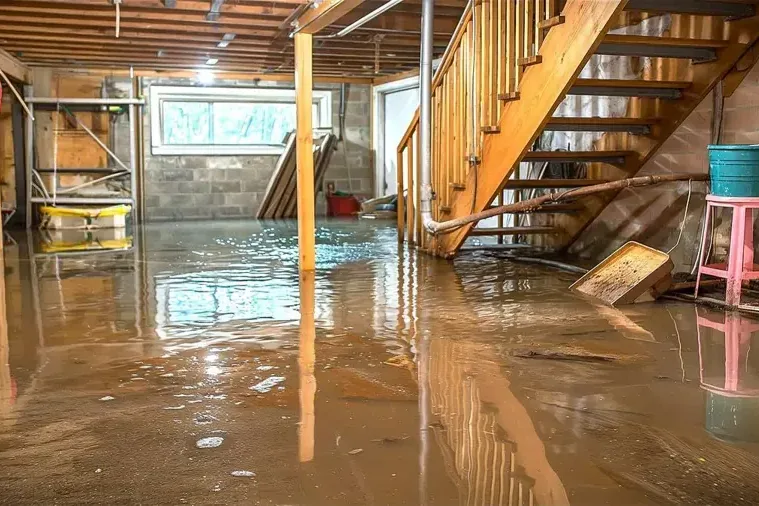
First steps when basement flooding and water removal hits
- Stop what you can. If a pipe, tank or washer is feeding the water, shut the main. If water is coming in from outside or up the floor drain, leave it to the crew.
- Mind the power. Do not walk into standing water near outlets, the furnace or the panel. If the panel sits in the wet area, call the utility or an electrician first.
- Get things off the floor. Lift boxes, rugs and electronics out of the water and photograph the damage before anything moves.
- Call before it wicks. Paneling and drywall pull water upward every hour. Extraction and drying started early keep tear-out smaller.
A flooded basement here is rarely just a wet floor. Most homes in the City sit on block or poured walls in heavy clay, and many basements are finished with carpet, paneling and drywall that wick water up and hide it. The extraction crew pumps the water out first, then the tech who does the walkthrough maps moisture through the finishes and the slab before any drying equipment goes down.
What does basement flooding and water removal cost in Grosse Pointe, MI?
Basement flooding cleanup here typically runs $1,000 to $10,000, set by the water category, whether the basement is finished, how many square feet got wet and how fast drying started.
Unfinished basement
- Water on a concrete slab and block walls
- Pump-out, cleaning and slab drying
- Clean or gray water caught early
Finished basement
- Carpet, pad, paneling or drywall soaked
- Removal of wet finishes and cavity drying
- Several days of LGR dehumidification
Sewage or deep water
- Floor drain backup or deep standing water
- Containment and Category 3 removal
- Antimicrobial treatment before drying
Ranges are typical, not a quote: the water category, square footage, material class and how fast drying started move the number most. Run the water damage cost calculator for a closer range.
Where basement water comes from in older lakeshore homes
The source decides the water category and the plan.
- Cove joint seepage: groundwater pressing through the joint where the wall meets the floor after heavy rain or a thaw.
- Window wells: wells that fill in a cloudburst and pour through the basement window.
- Floor drains: combined sewers that surcharge and push water up from below, which makes it a sewage backup and Category 3.
- Inside sources: a failed water heater, a washer hose or a pipe that split in the cold.
Water in the basement right now?
Extraction, drying and the claim file start with one call.
Drying a finished basement without tearing out more than needed
Clean water caught early can often be dried in place. The drying team pulls wet carpet pad, removes base trim and drills small holes behind it so air reaches the wall cavity. Paneling and drywall that stayed wet for days, or that touched sewage, come out above the water mark.
Concrete slabs and block walls hold water longest. LGR dehumidifiers run inside plastic containment until the slab and the bottom of the walls match a dry reference. Equipment stays until the readings say dry, not until the floor feels dry.
Clay soil, sump pits and the next storm
Heavy lake plain clay drains slowly, so water sits against foundation walls long after the rain stops. Homes with a sump pit depend on the pump through every storm, and a pump failure brings its own cleanup under sump pump failure cleanup. Once the basement is dry, the restoration team notes where the water entered so the homeowner can talk to a waterproofing contractor or a plumber about the cause.
For flood safety before and after a storm, see Ready.gov flood guidance and the National Weather Service flood safety tips.
How basement flooding and water removal is handled, step by step
Pump out and assess
The extraction crew pulls standing water with submersible pumps and truck-mounted extraction, then confirms the source and the category.
Map the moisture
The tech who does the walkthrough reads walls, slab and finishes with meters and thermal imaging and marks every wet area.
Remove and dry
The mitigation team pulls what cannot be saved and sets air movers and LGR dehumidifiers for the class of loss.
Verify and document
Readings are logged daily until materials reach the dry goal, and the claim file gets the logs, photos and scope.
What every dry-out here is held to
Rapid local response
Dispatch runs 24/7, and active water is treated as urgent at any hour, nights and holidays included.
IICRC S500 drying standard
Moisture mapping comes first, then structural drying with air movers and LGR dehumidifiers until readings reach the dry goal.
Claim-ready documentation
Moisture maps, daily psychrometric logs and timestamped photos taken before any tear-out go into the claim file.
Lakeshore water know-how
Prewar basements, combined sewers, heavy clay and ice dams shape most losses near Lake St. Clair, and the walkthrough checks for each one.
Basement flooding and water removal across the Pointes
Coverage takes in ZIP 48230 and 48236, from the Village on Kercheval and the Jefferson Avenue lakefront to the Mack Avenue side, plus the Park, the Farms, the Woods and the Shores.
Nearby coverage reaches Harper Woods, St. Clair Shores, Eastpointe, Roseville, Hamtramck and Detroit's east side.
Related water damage services
Basement Flooding and Water Removal questions
Can a finished basement be saved after it floods?
Often the framing and some drywall can be dried in place if the water was clean and drying starts quickly. Carpet pad, soaked paneling and anything touched by sewage usually come out.
Why does water come in where the wall meets the floor?
That seam is the cove joint. When the heavy clay around the house fills with water after rain or snowmelt, pressure pushes water through it. Drying fixes the damage, and a waterproofing contractor handles the cause.
How long does a flooded basement take to dry?
Three to five days is common for a contained loss on a slab. Block walls, plaster and long exposure push it longer, and readings decide when equipment leaves.
Is basement flooding covered by homeowners insurance?
Water from a burst pipe or a failed tank is often covered. Seepage, sewer backup and outside floodwater are treated differently, so check your policy with your own insurer.
Should I use a shop vacuum and fans myself?
A shop vacuum helps on a small clean-water spill. It cannot pull water out of pad, walls or the slab, and household fans can push damp air into other rooms.
When does mold become a concern?
Mold can start on wet materials within 24 to 48 hours, which is why extraction and drying start right away.
Flooded basement? Get the pump-out started.
Every hour water sits, it climbs higher into paneling and drywall. The extraction crew starts with a pump-out and a moisture map.
(888) 612-9219Start the basement pump-out