Water Damage Restoration Center Line, MI
Center Line homes and apartments get water pumped out, wet materials opened and the structure dried with logged readings. The work covers basements, burst pipes, roof leaks and sewer backups along Van Dyke Avenue, Ten Mile Road and the side streets between.
(888) 612-9219Report the water damageWhat sends water into older homes here
Center Line is a compact inner-ring suburb of 8,552 residents, and about half of its 3,754 housing units were built before 1960. Older houses, apartment buildings and the busy Van Dyke Avenue and Ten Mile Road corridors each leak in their own way. These six causes account for most of the water jobs that the drying team sees here.
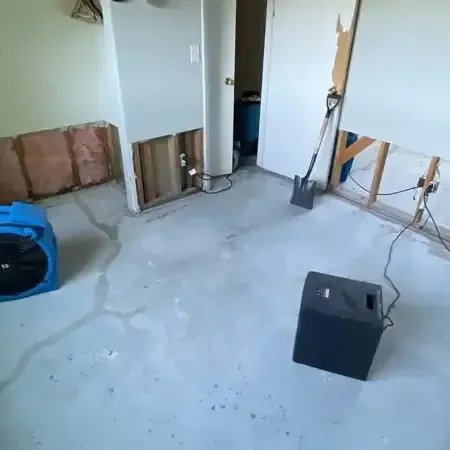
Basement water
A basement that takes on water needs its concrete floor and wall bases dried before any finishes go back in.
Sewer backups
A floor drain backup is Category 3 water. The city's claim form asks for written notice within 45 days of discovery.
Regional storm events
Storms in 2014, 2021 and 2025 flooded parts of Southeast Michigan, a reminder that one summer downpour can overload drains and call for storm flood cleanup.
Winter freezes
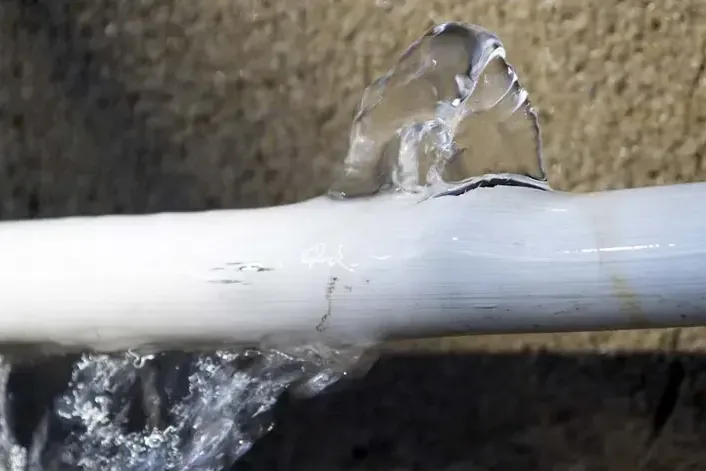
Southeast Michigan winters can freeze supply pipes in cold walls, and a split pipe floods the rooms around it quickly.
Ice dams and roofs
Meltwater trapped behind winter ice can creep under shingles, stain ceilings, soak insulation and drip into the rooms below.
Runoff and wet ground
Rain gardens installed in 2023 and the Rain to Roots program announced in 2026 both aim to keep runoff out of the storm sewer system.
Water damage services for every kind of leak
Each service covers a different loss, from a pump failure to a wet ceiling, with one drying standard behind each.
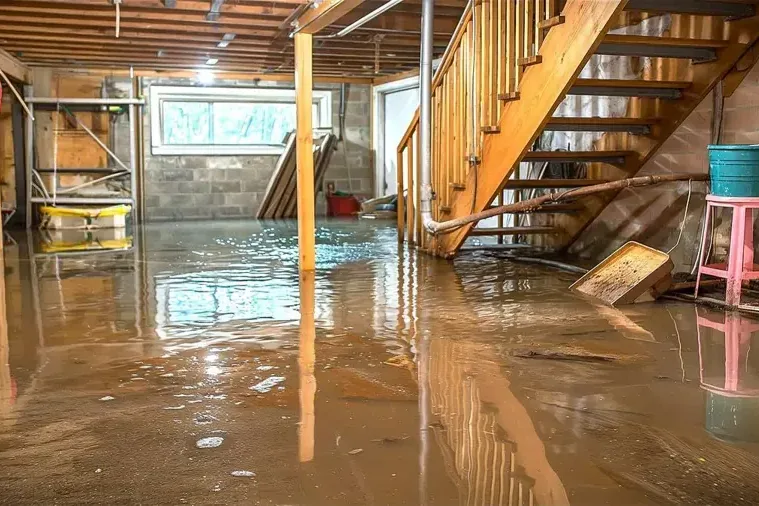 01Typical job
Basement Flooding and Water Removal
Pump-out, wet finish removal and slab drying after water enters a basement.
View service details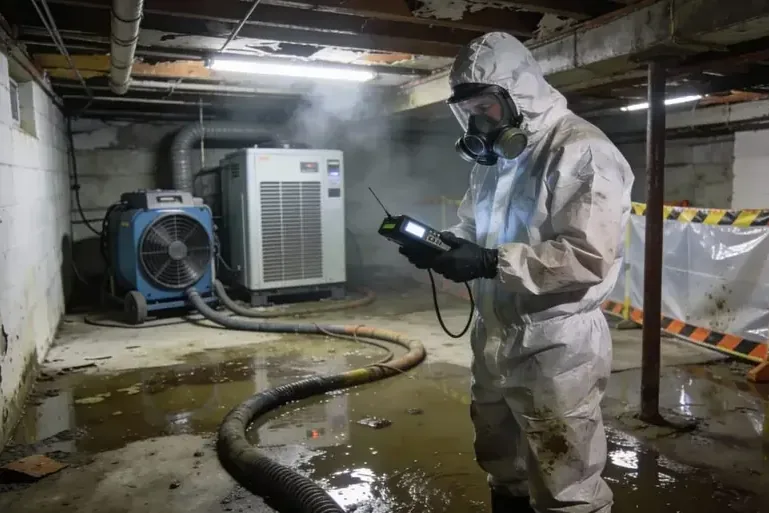 02Typical job
Sewage Backup and Floor Drain Cleanup
Contained cleanup and disinfecting after sewage rises through a floor drain.
View service details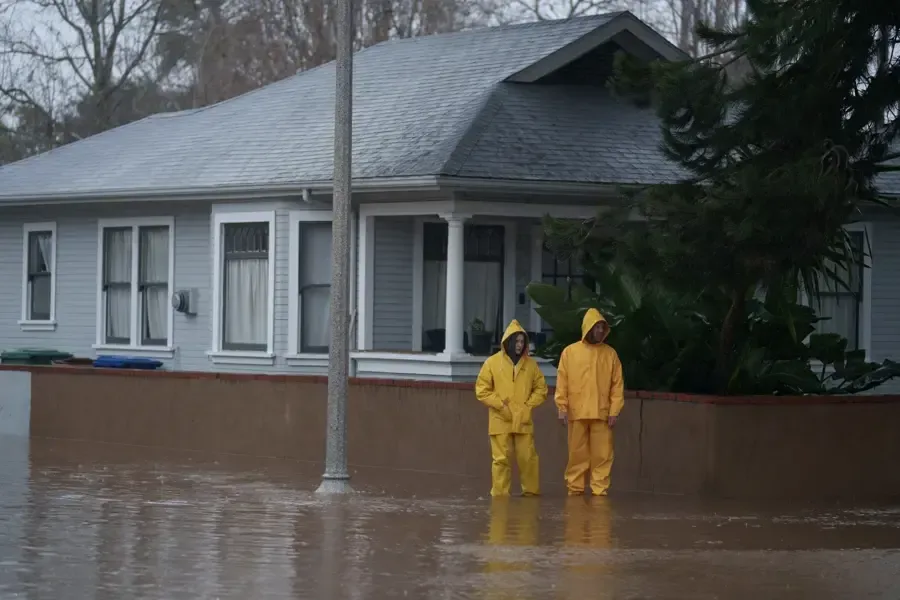 03Typical job
Storm and Flash Flood Cleanup
Extraction and drying after a heavy downpour pushes water through doors or windows.
View service details 04Typical job
Frozen Pipe Burst Cleanup
Shutoff, cleanup and wall drying once a frozen pipe splits open.
View service details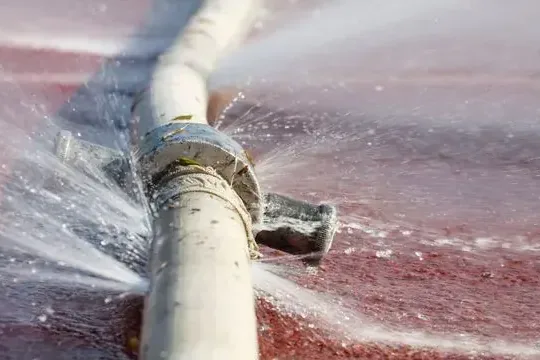 05
05Burst and Leaking Pipe Cleanup
Leak tracing, extraction and cavity drying after a supply pipe fails.
View service details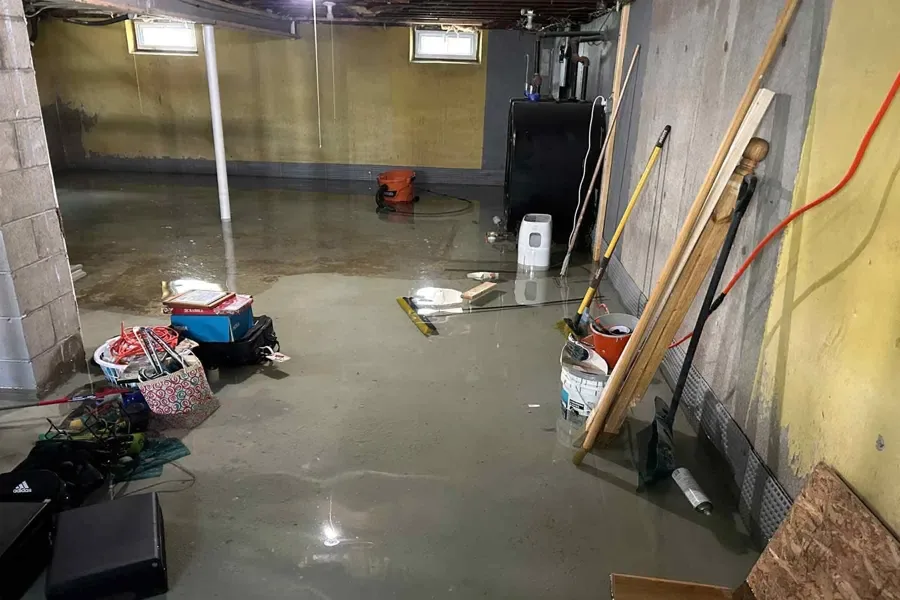 06
06Sump Pump Failure Cleanup
Pit overflow cleanup and floor drying when a sump pump quits during a storm.
View service details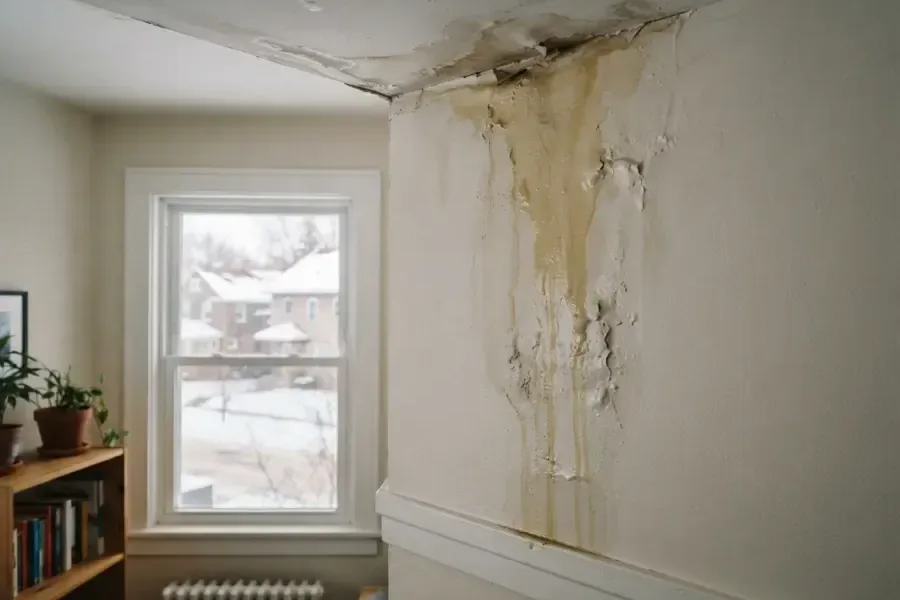 07
07Ice Dam and Roof Leak Water Damage
Wet insulation and ceiling drying after meltwater works its way under the roof.
View service details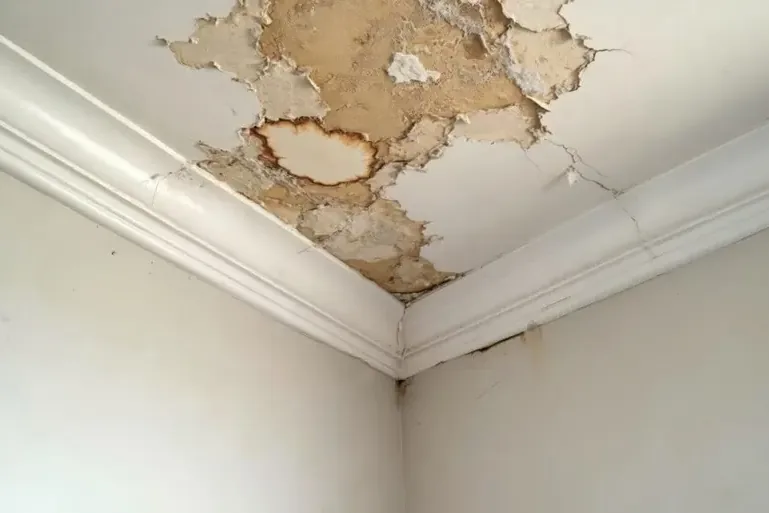 08
08Ceiling Leak Water Damage
Controlled ceiling opening and joist drying where a leak soaked the drywall or plaster.
View service details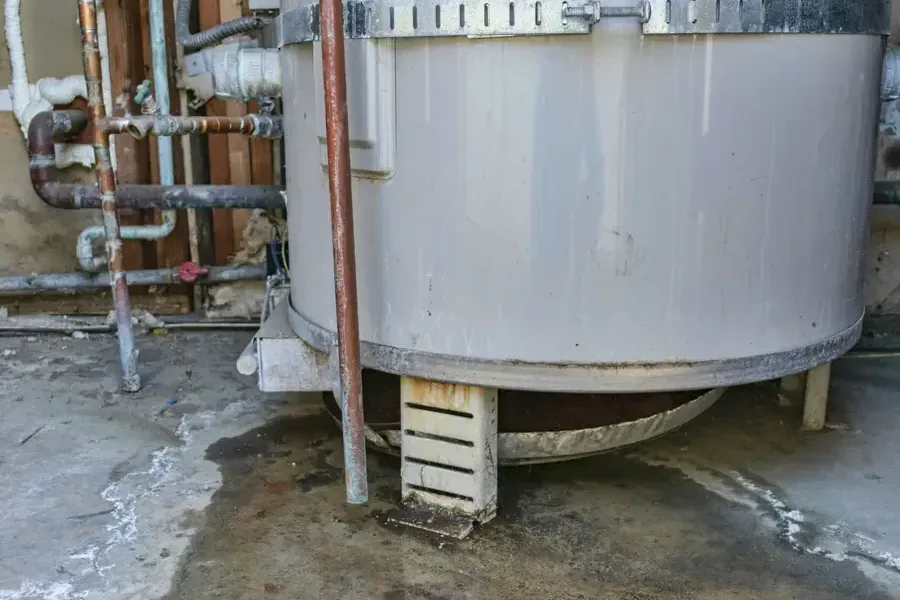 09
09Water Heater Leak Cleanup
Tank leak cleanup, wet floor drying and moisture checks around the utility area.
View service details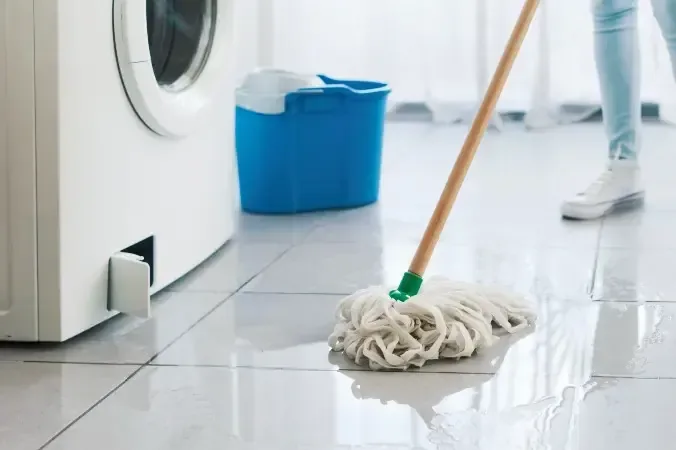 10
10Washer, Dishwasher and Appliance Leaks
Washer, dishwasher and refrigerator leaks dried at the source and under the floor.
View service details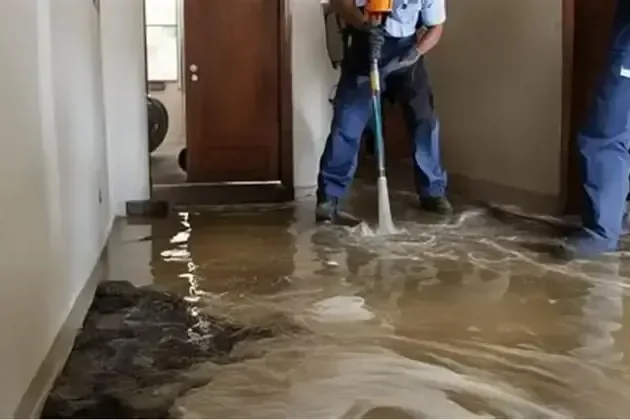 11
11Water Extraction and Removal
Truck-mounted and portable pumps that pull standing water out of any room.
View service details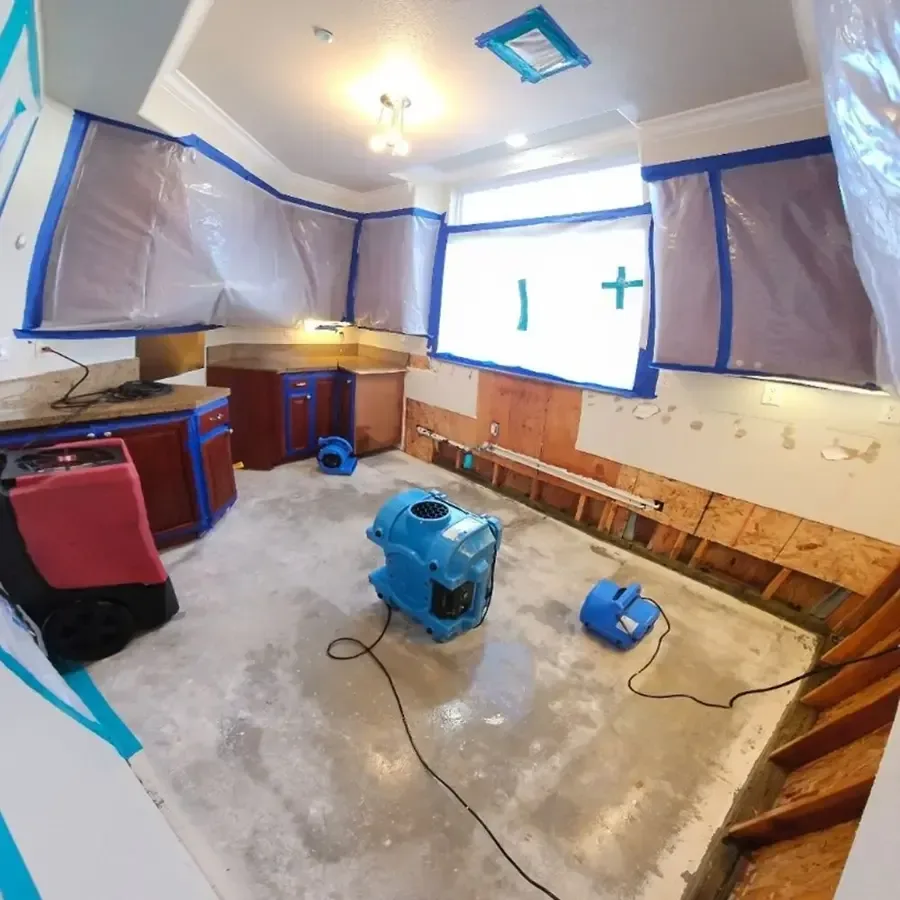 12
12Structural Drying and Dehumidification
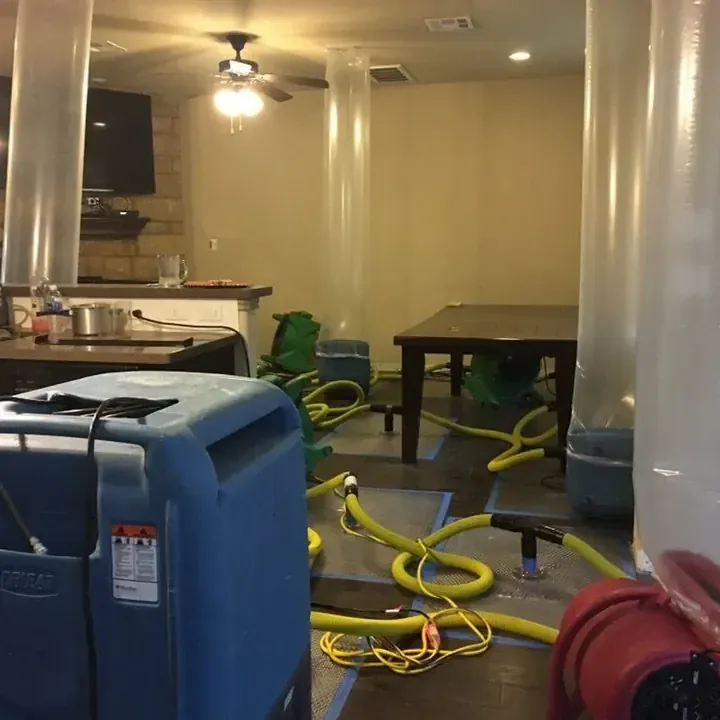
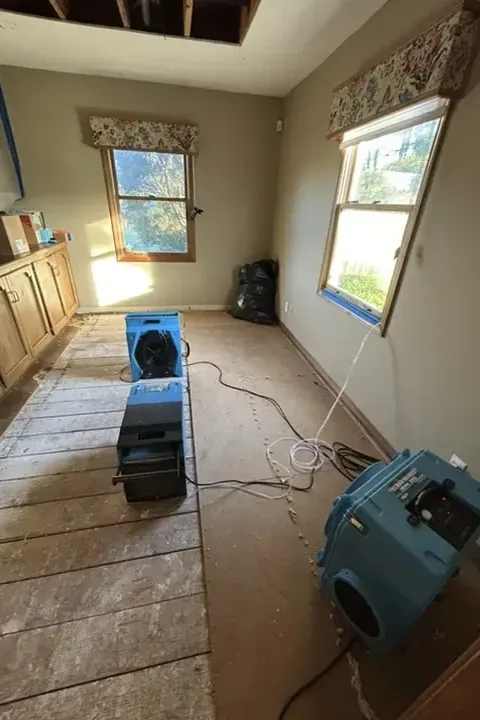
Dehumidifiers, air movers and daily readings until framing and floors read dry.
View service detailsWhat to do before the crew starts
- Stop the source if it is safe: close the main water valve for a pipe failure, or stop using drains and fixtures during a sewer backup.
- Cut power to wet rooms at the breaker, stay out of standing water, and move electronics, papers and rugs onto dry surfaces.
- Photograph the water level, the damaged belongings and the source before anything is moved, since an insurance file begins with those pictures.
- Write down the date the damage was found. For a sewer backup the city's written notice window is 45 days, so that date matters.
Gear that dries the structure, not just the surface
- Truck-mounted and portable extractors pull standing water out of basements, kitchens and carpeted rooms.
- Air movers push dry air across floors and lower walls so soaked materials release their moisture.
- Refrigerant and desiccant dehumidifiers pull that moisture out of the air once it leaves the materials.
- Moisture meters, a thermal imager and hygrometers confirm where water traveled and when each material is dry.
From the first report to a documented dry finish
Report
The loss type, affected rooms and safety concerns are noted so the right gear is loaded.
Make safe
The source is shut off or isolated and power near wet areas is checked first.
Extract
Pumps and extractors clear standing water, then unsalvageable carpet and pad are lifted.
Dry and measure
Equipment runs while meter readings chart each wall and floor until targets are met.
Paperwork
Photos, readings and equipment logs are bundled so an adjuster can follow the job.
Why speed and records both count
Day and night crews
Water does not wait for business hours, so crews work evenings, weekends and holidays when a pipe fails.
Older-home knowledge
About half of the city's housing units predate 1960, and drying older finishes calls for careful, staged tear-out.
Clear documentation
Readings, photos and equipment logs show an adjuster what was wet, what was removed and when drying ended.
Water-only focus
Floods, leaks and sewage backups are the whole trade, so the equipment and habits all point at water.
Standards behind the drying work
Drying follows the IICRC S500 water damage standard, with contaminated water treated by category and every wet material tracked by readings until it reaches its dry target and the file closes.
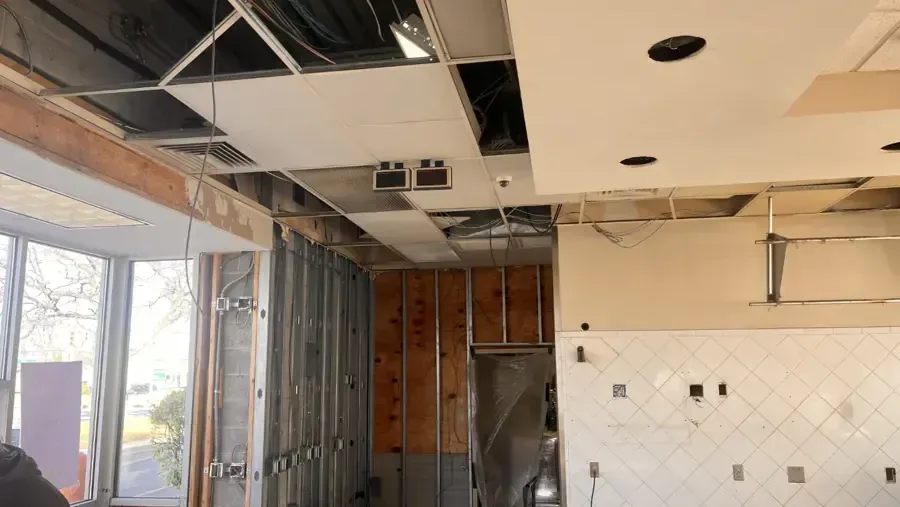
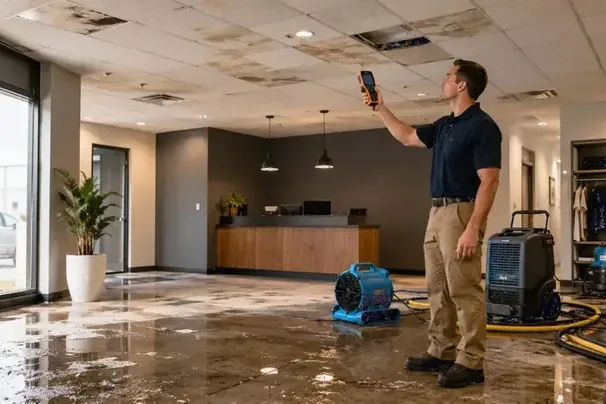
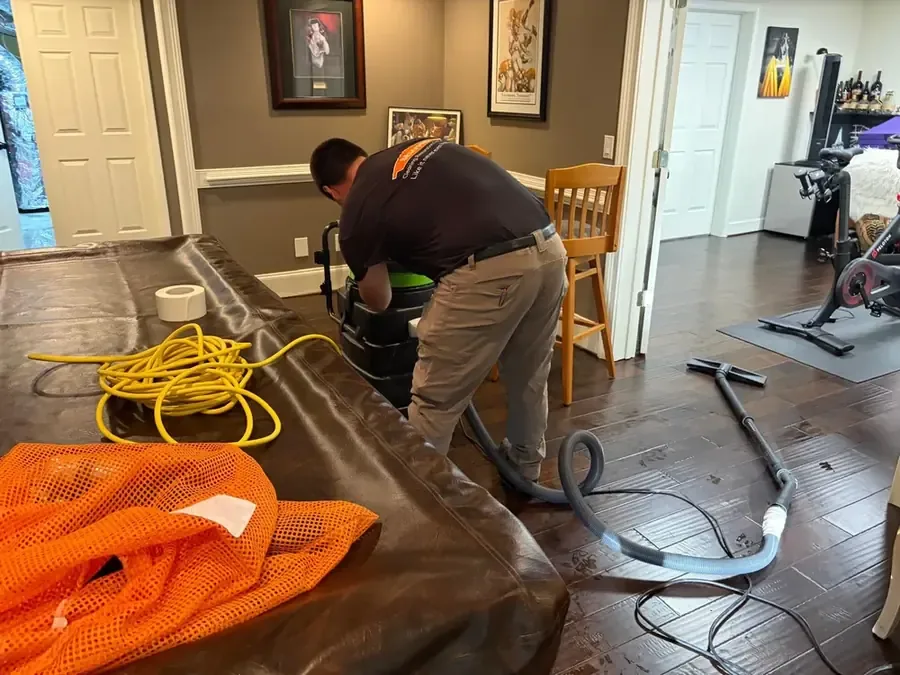
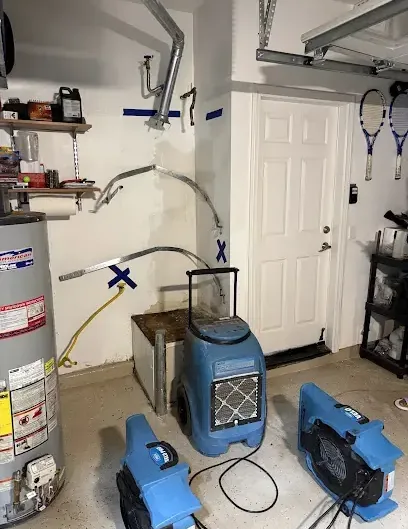
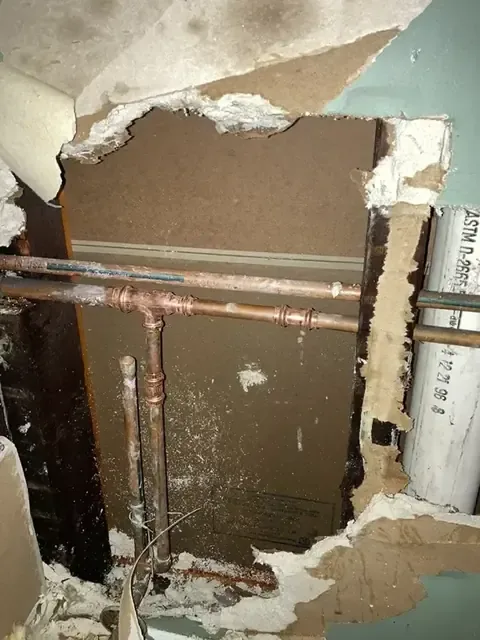
Water damage work in progress
Where the crews work in Center Line
Crews work citywide in ZIP 48015, from the Van Dyke Avenue corridor to the Ten Mile Road businesses.
ZIP code covered
A single ZIP code covers the whole city, apartments and houses alike.
Corridors
Homes and parks
Three kinds of water, three different cleanups
The source decides how much has to be removed, so the water is sorted by category before work begins.
Clean water source
Supply pipe and appliance leaks start clean, but the water degrades with time, so prompt removal keeps the job simple.
Leaking pipe cleanup ›Gray water
Washer, dishwasher and tub overflows carry soap and light contamination, so wet carpet and pad usually come out.
Washer leak cleanup ›Black water
Sewage from a floor drain is a health hazard, and every porous material it touches is removed and discarded.
Sewer backup cleanup ›What water damage cleanup costs and how claims work
Cost depends on the water category, how many rooms are wet and how long materials take to dry, so a small leak and a flooded basement price very differently.
Small clean-water leak
- One room with water on the floor surface
- Extraction and fans in place
- Little or no material removal
Wet walls or finished basement
- Carpet, pad or lower drywall soaked
- Material removal and cavity drying
- Several days of dehumidifier runtime
Deep water or sewage
- Standing water across a whole level
- Category 3 containment and disposal
- Extended drying and clearance checks
Ranges are typical for Southeast Michigan and shift with the materials involved, the water category and how long equipment must stay in place.
Working with your insurance claim
A sudden pipe break or appliance failure is often covered, while slow seepage usually is not. The adjuster looks for photos, readings and a clear record of when the loss was found.
- Photos of the source and damage
- The date and time of discovery
- Moisture readings and equipment logs
- A list of discarded belongings
- Receipts for any emergency repairs
Coverage questions belong with the adjuster, and the drying file simply gives that conversation solid facts.
Center Line water damage questions
How does the sewer backup notice work in Center Line?
The city's Sewer Back-up Notice of Claim form asks for written notice within 45 days after the damage is discovered, and missing that window can bar the claim. Photos of the backup should come first. Sewage backup cleanup can start before any claim is decided.
Does Rain to Roots help after a flood?
Rain to Roots, announced in 2026 with DTE Energy and the Clinton River Watershed Council, offers stormwater consultations and rain barrels in high flood-risk areas. It aims at prevention, so a wet house still needs extraction and drying.
What comes first with a sewage backup?
Stop using drains and fixtures, keep people and pets out, and turn off power to the wet area if that is safe. Sewage is Category 3 water, so containment and disinfecting come before any quick mop-up.
How long does drying take?
Most structures need several days, and the readings decide when equipment comes off, not the calendar. Dense materials such as hardwood or concrete can need longer.
Are older homes harder to dry?
About half of the city's housing units predate 1960, and older flooring and trim can be delicate, so tear-out is staged and measured. Moisture mapping avoids opening more wall than the water actually reached.
Who owns a leaking service pipe?
The city owns and maintains water service pipes from the main to the curb stop, and the owner is responsible from there to the house. A plumber fixes the pipe, then the water damage is dried.
Do apartments and rentals get service too?
Yes. Renters occupy 1,774 of the city's 3,713 occupied units, and about 31 percent of units sit in buildings of five or more, so a leak can pass into the unit below. Renters should tell the property manager while the crew documents the loss.
Is there a weekend or after-hours option?
Water damage ignores business hours, so evenings, weekends and holidays are covered. The city also lists an after-hours and weekend emergency contact for public works, which helps when street flooding or a main break is the cause.
Which parts of town do the crews cover?
The whole city under ZIP 48015, including the Van Dyke Avenue and Ten Mile Road business corridors, Kramer Homes Co-operative, Center Line Park Towers and the blocks around the schools.
Can wet carpet be saved?
Clean-water carpet caught early can often be dried in place with the pad lifted, while carpet soaked by sewage or long-standing water is removed and discarded.
Let the drying team handle the water so the house can recover
Describe the loss and the team will map the wet areas, pull the water out and set up equipment suited to older construction.
(888) 612-9219Send in the drying team