Water Damage Restoration Roseville, MI
Water in a Roseville basement, kitchen or ceiling needs a pump, a moisture meter and a drying plan, not guesswork. The mitigation team removes the water, opens what stays wet and records every reading.
(888) 612-9219Call about water in your homeWhat puts water into Roseville homes and basements
A flash flood on July 6, 2019, overwhelmed sewers and pumps in Roseville and put floodwater and sewage into basements on Blumfield Street near I-696. The city manager said none of the city's pumps failed because the system was overwhelmed, and Mayor Robert Taylor declared an emergency on July 8, 2019. Fast rain, aging water infrastructure and hard Michigan winters are the pressures that put water into local homes.
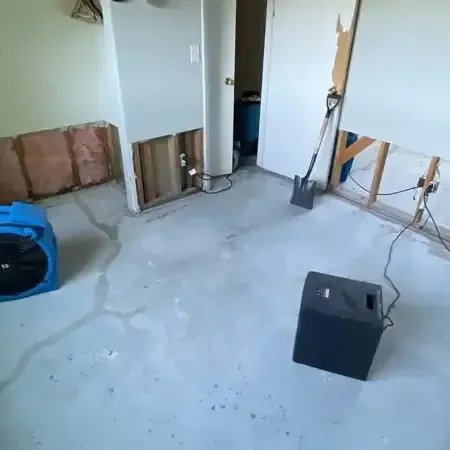
Basement flooding
Low rooms collect water first, and wet carpet, paneling and drywall wick moisture upward quickly.
Combined sewer flow
A fiscal year 2020 city report refers to a combined sewer and storm water system, so heavy rain can send dirty water toward floor drains.
Flash flooding
Fast storms can overwhelm pumps and sewers together, as the July 2019 flash flood did, and runoff then finds doors and window wells.
Winter freezes
Michigan cold can split a pipe in an outside wall, and the thaw is when the leak shows itself.
Ice and roof leaks
Snow that melts and refreezes at the roof edge can push meltwater under shingles and into the ceiling below.
Aging water mains
A February 2026 WXYZ report said the city had dealt with 40 water main breaks since January 1, and east side city managers blamed aging infrastructure.
Twelve kinds of water loss the team handles
Each loss starts with finding the source, then removing water and drying structure to a measured reading.
 01Common loss
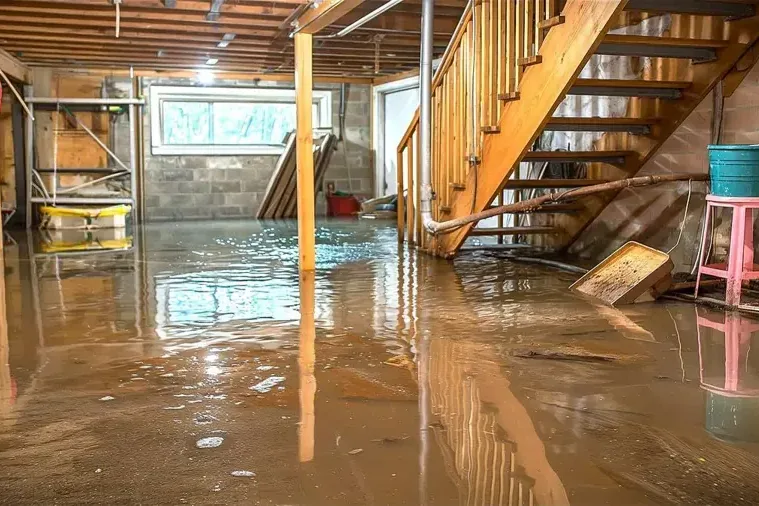
Basement Flooding and Water Removal
Standing water is pumped out, wet finishes are sorted and the slab is dried.
See the service page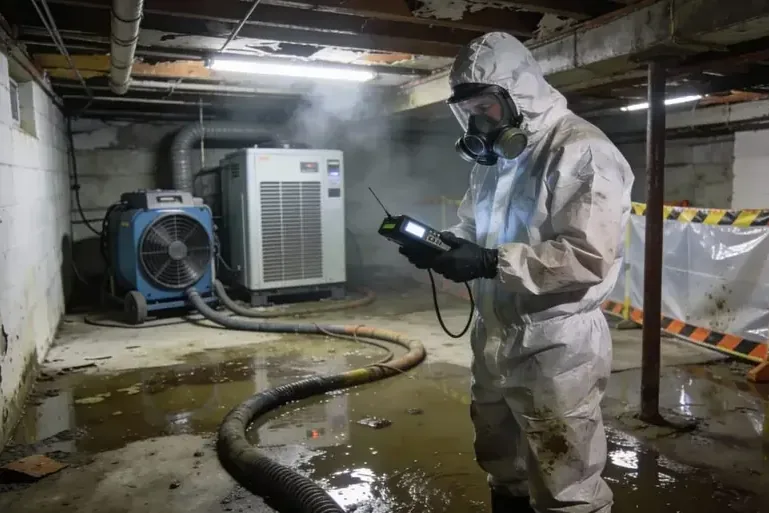 02Common loss
Sewage Backup and Floor Drain Cleanup
Contaminated floor drain water is contained, removed and disinfected.
See the service page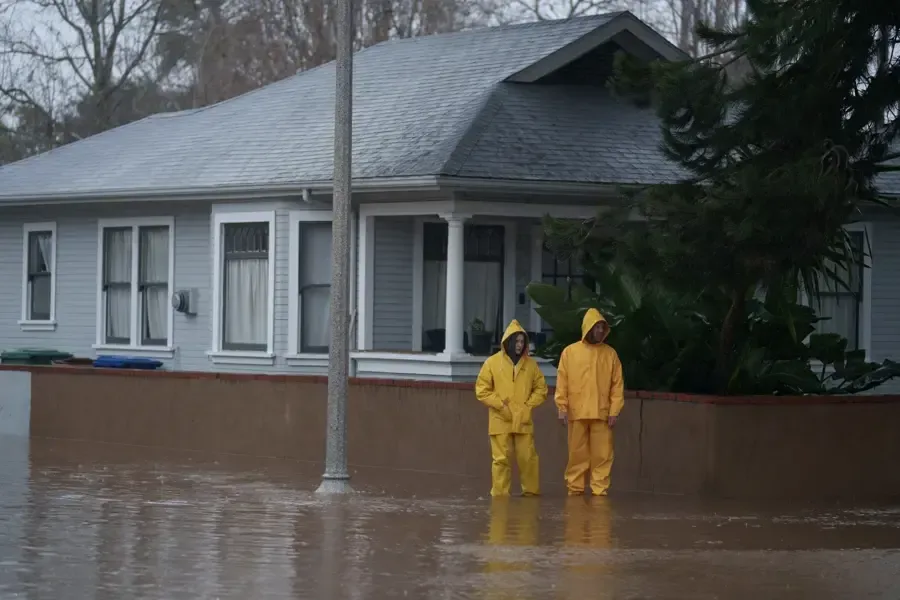 03Common loss
Storm and Flash Flood Cleanup
Runoff through doors and window wells is extracted and the rooms are dried.
See the service page 04Common loss
Frozen Pipe Burst Cleanup
Split pipes are shut off, then wet walls and ceilings are opened and dried.
See the service page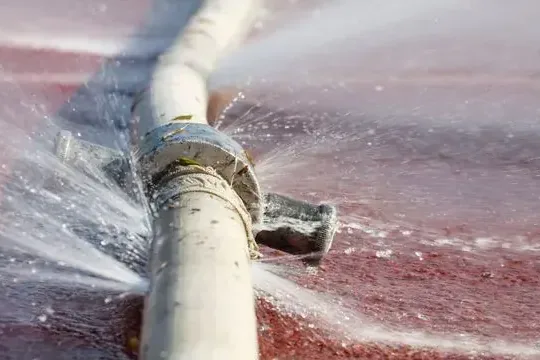 05
05Burst and Leaking Pipe Cleanup
Supply pipe and fitting leaks are traced, stopped and dried before finishes fail.
See the service page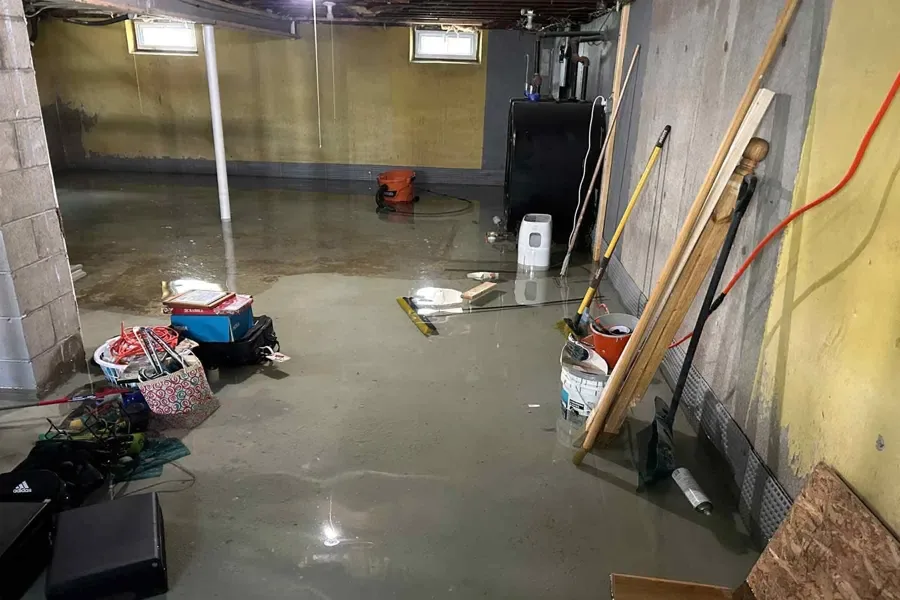 06
06Sump Pump Failure Cleanup
Water around a failed pit is pumped out and the slab is dried.
See the service page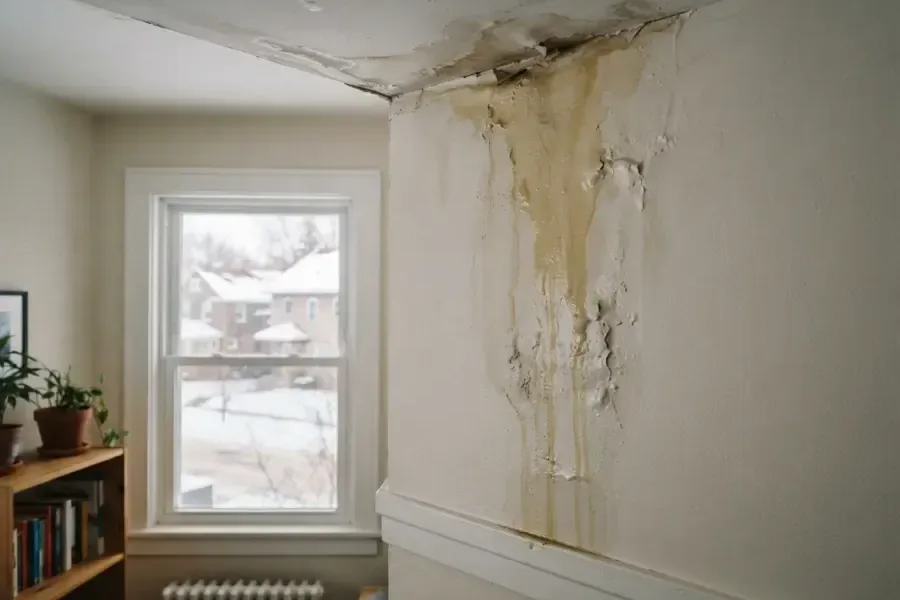 07
07Ice Dam and Roof Leak Water Damage
Meltwater that backs under shingles is traced and the wet attic is dried.
See the service page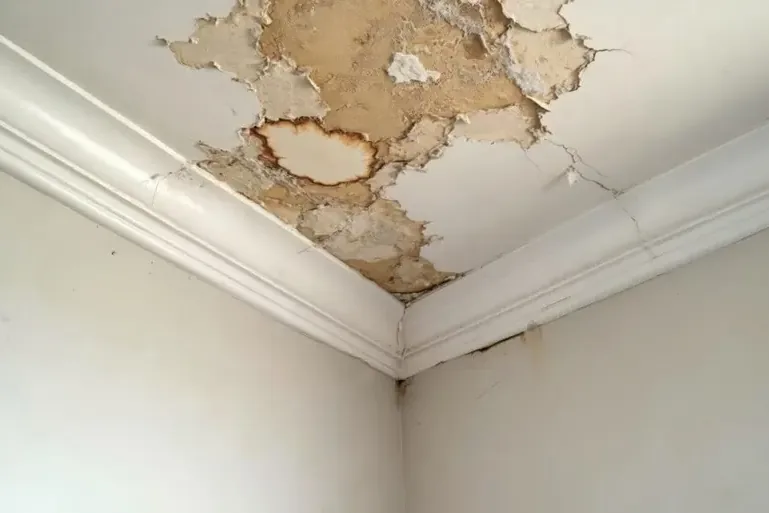 08
08Ceiling Leak Water Damage
A stained or sagging ceiling is opened where needed and the joist bay dried.
See the service page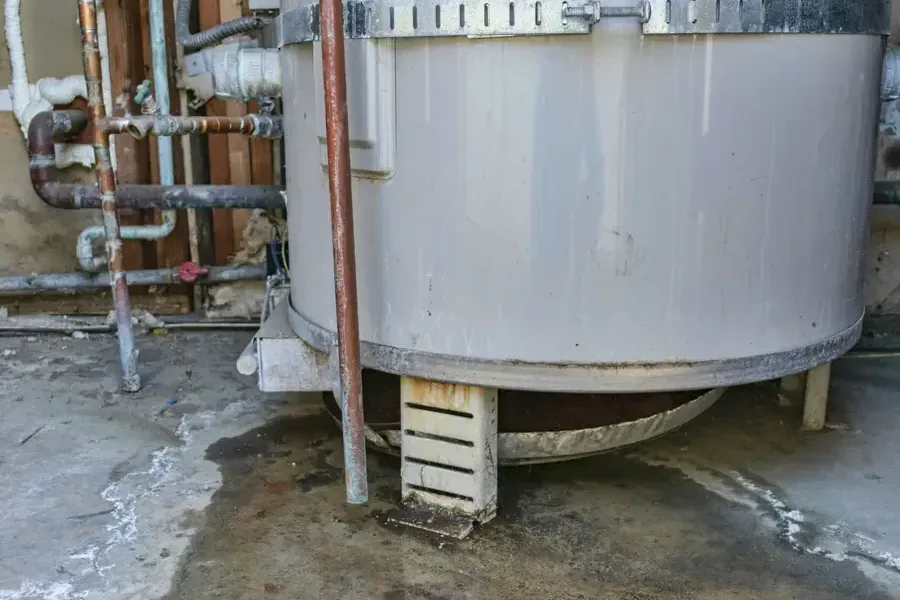 09
09Water Heater Leak Cleanup
A leaking tank is shut down and the wet floor around it is dried.
See the service page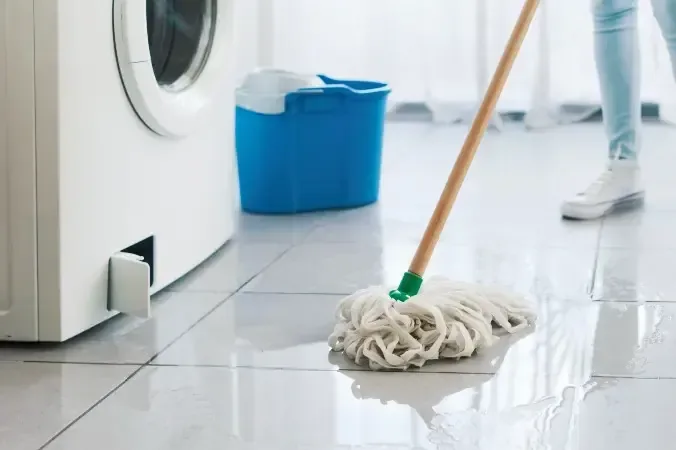 10
10Washer, Dishwasher and Appliance Leaks
Washer, dishwasher and refrigerator leaks are dried under cabinets and floors.
See the service page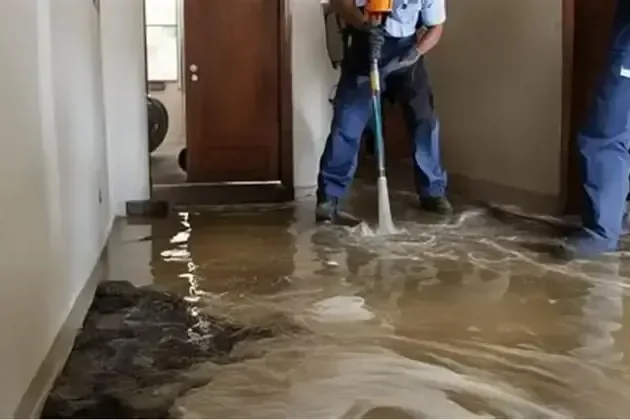 11
11Water Extraction and Removal
Truck-mounted and portable extraction pulls standing water and wet carpet pad.
See the service page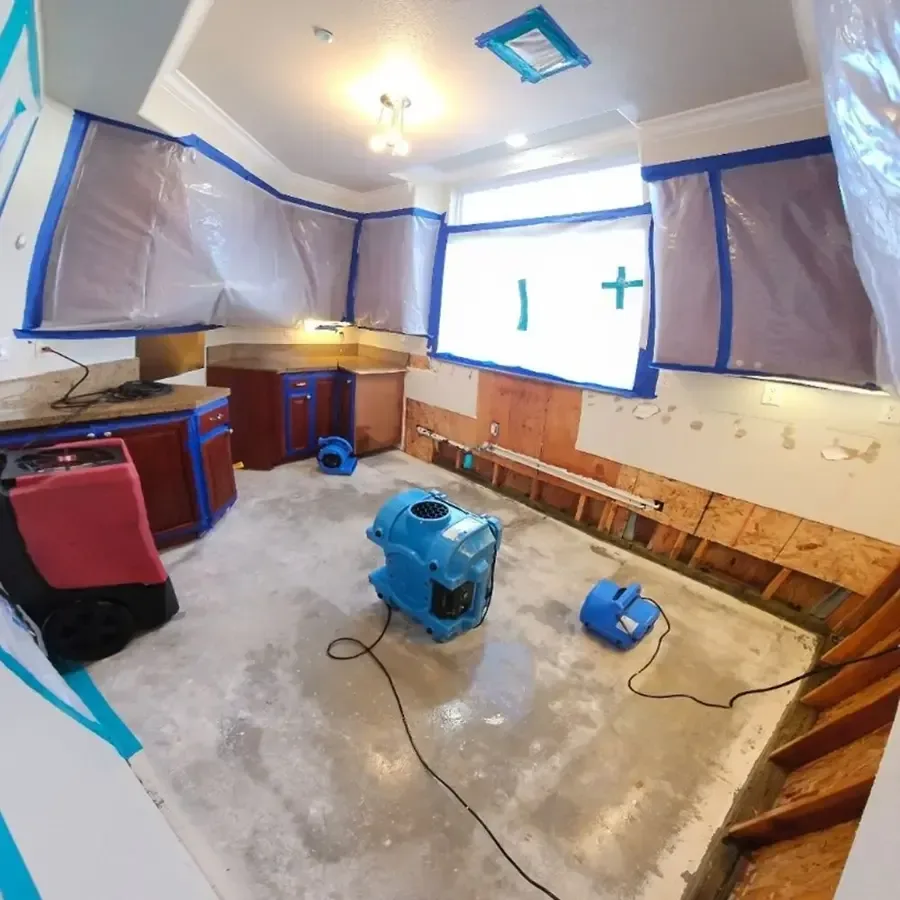 12
12Structural Drying and Dehumidification
Air movers and dehumidifiers dry framing and floors to measured readings.
See the service pageWhat to do while the water is still moving
- Stay out of standing water near outlets and the panel, and shut off the supply valve if a pipe is the source.
- Keep children and pets away from sewage or floor drain water, and do not run washers or flush toilets.
- Photograph the water level on walls, the damaged items and the source before anything moves, then lift small valuables off wet floors.
- Call the drying team early, since mold can start within 24 to 48 hours on wet drywall, carpet pad and framing.
Tools that find and remove hidden water
- Truck-mounted and portable extractors pull standing water from slabs, carpet and hardwood.
- Pin and pinless moisture meters track every wet wall and floor against a dry reference.
- A thermal camera shows where water traveled behind finishes before anything is opened.
- Desiccant and LGR dehumidifiers pair with air movers to pull moisture out of the structure.
From the first call to the final reading
Dispatch
The response team notes what is wet, how deep it is and whether sewage is involved.
Source stopped
Valves are closed and leaks are isolated so no new water joins what is already down.
Water removed
Valves are closed and leaks are isolated so no new water is added.
Drying and readings
Air movers and dehumidifiers run while daily moisture readings track each material to its dry goal.
Claim file
Photos, moisture logs and equipment records are saved so the insurance file is complete.
Why fast, measured drying matters
Rapid local response
Water spreads into subfloors and wall cavities quickly, so an early start limits how much drywall, pad and framing must come out.
Water sorted by contamination
Clean, gray and black water get different containment, disposal and cleaning steps from the start.
Claim-ready documentation
Photos, readings and equipment logs give an adjuster a clear record of what was wet and when it dried.
Local water know-how
Combined sewer flow, heavy storm runoff and aging water mains shape the water problems that reach local basements and kitchens.
Standard the drying work follows
The S500 standard sets the drying goal: wet materials are measured against a dry reference and equipment stays until the readings match. Every visit adds new readings to the file.
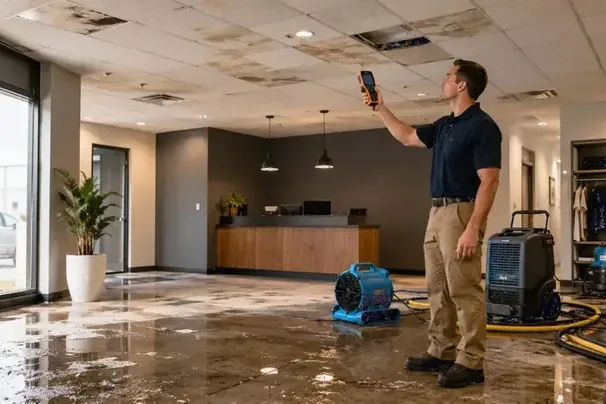
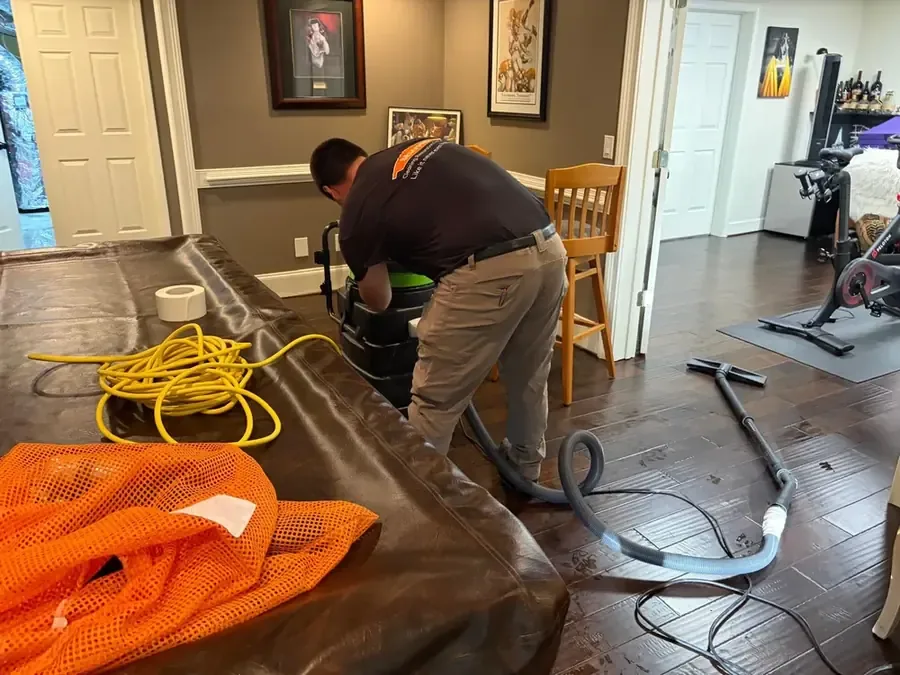
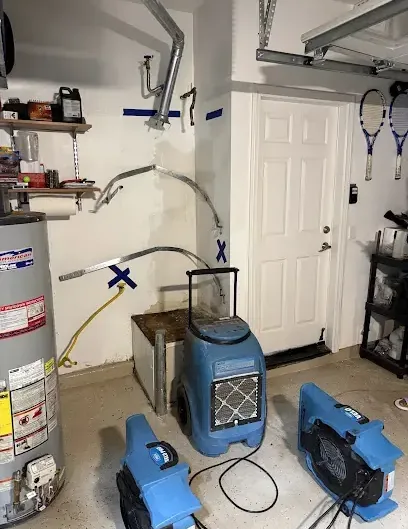
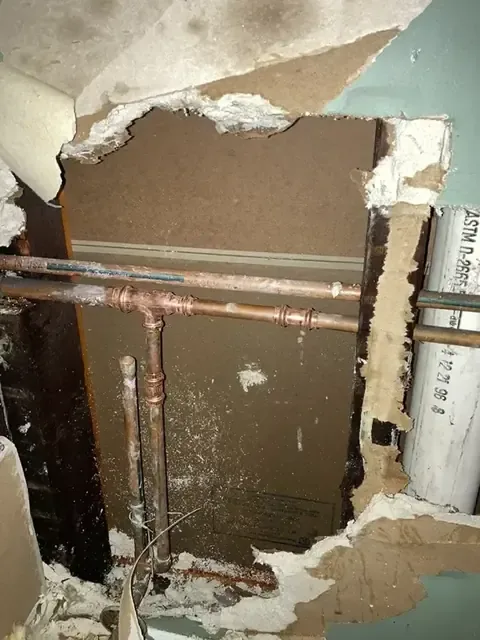
Drying gear and water damage scenes
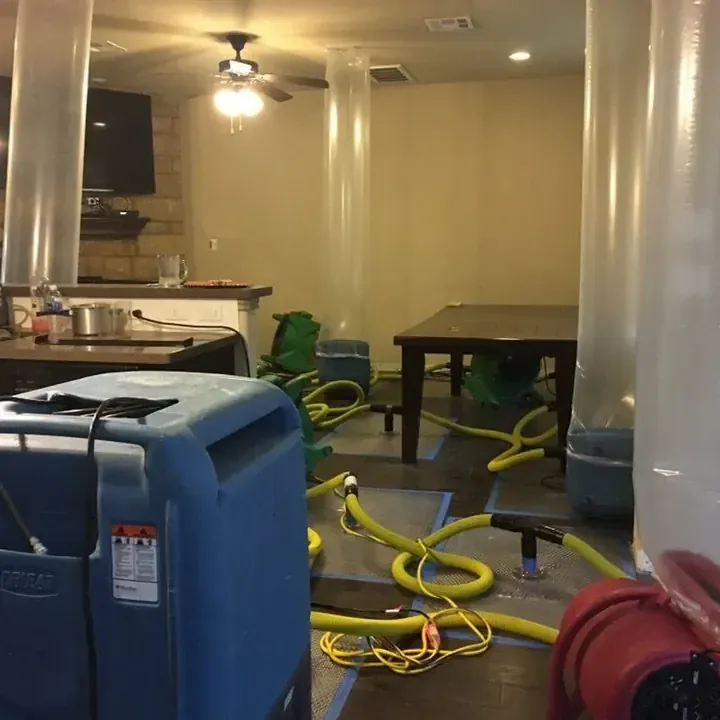
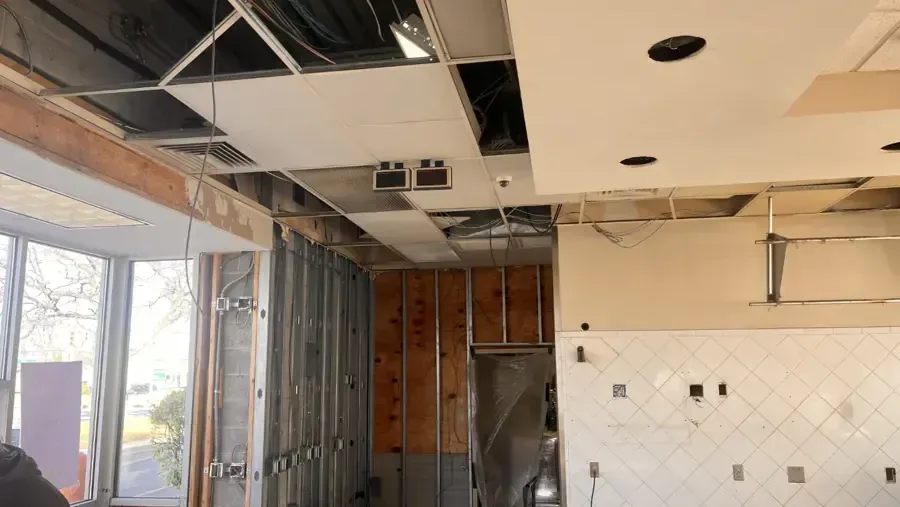
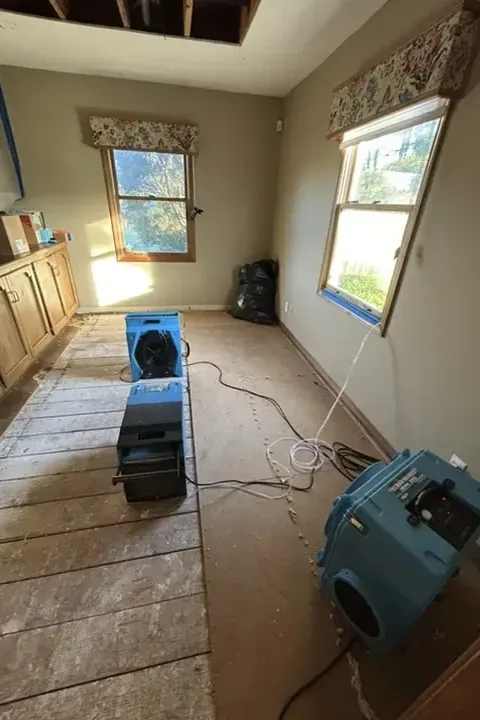
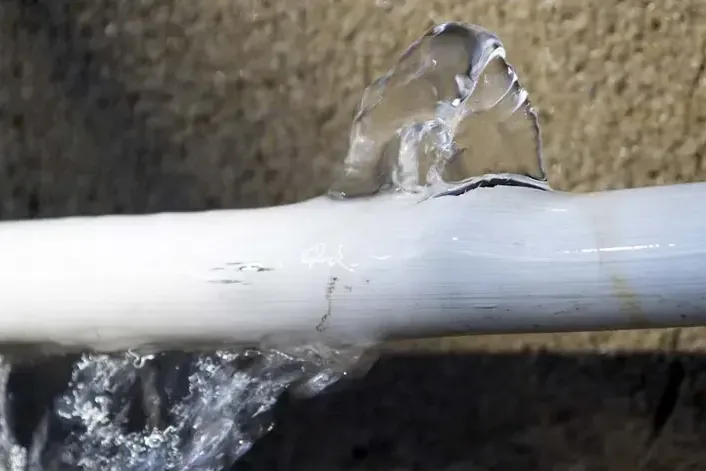
Streets and corridors the team covers
Water damage service runs across the city, from the Gratiot Avenue corridor to the Common Road area.
ZIP code covered
Service covers homes in the 48066 ZIP code and its main corridors.
Corridors
Streets and areas
Clean, gray or black water changes the work
The source decides how contaminated the water is and how much has to be removed.
Clean water leaks
A split supply pipe or a failed fitting sends clean water through ceilings and walls, and early drying often saves the finishes.
Leaking pipe cleanup ›Gray water spills
A washer, dishwasher or sink drain leak carries soap and light contamination, so wet cabinets and floors are dried and cleaned.
Appliance leak cleanup ›Black water backups
Sewage from a floor drain or an overwhelmed sewer is treated as contaminated, so porous materials are removed and hard surfaces are cleaned and disinfected.
Sewer backup cleanup ›What cleanup usually costs and how claims work
Cost follows how much water there is, how long it sat and what it touched. A small clean water leak sits at the low end, while sewage or deep basement water costs the most.
Small clean water leak
- One room with water mostly on the floor
- Extraction and drying right in place
- Little or no wall or ceiling removal
Basement or several rooms
- Wet carpet, pad or drywall in a finished area
- Selective removal and cavity drying
- Several days of dehumidifier time
Sewage or deep flooding
- Contaminated water spread across a whole level
- Containment, removal and surface disinfecting
- Extended drying and final clearance readings
Ranges are planning figures, not a quote; the real scope comes from the walkthrough and the moisture readings.
Notes for an insurance claim
Coverage depends on the policy and the cause of the loss, but a clean record of the source, the damage and the drying makes any claim much easier to follow.
- Photos of the source and every wet room
- Moisture readings from day one
- A list of damaged and removed items
- Equipment placement and run records
- The carrier's claim number and adjuster name
Hold on to receipts for emergency repairs and keep damaged items until the adjuster has seen them.
Questions about water damage cleanup
Is basement sewage from a storm the same as clean water?
No. Water that comes up a floor drain during a storm is treated as Category 3, with containment, disposal of porous materials and disinfecting before any drying starts. See sewage backup cleanup for the full process.
Did the July 2019 flood reach public buildings too?
Yes. The basement of Roseville City Hall flooded and election voting machines were soaked, a reminder that water can outrun drains and pumps during extreme rain.
How soon should drying start after a basement floods?
As early as possible. Wet drywall, carpet pad and framing can start growing mold within 24 to 48 hours, so water extraction and air movement should begin right away.
Who handles a main break versus a burst pipe inside?
The city's water and sewerage department operates the mains that feed homes, so a main break in the street is a city matter, while a burst pipe inside the house needs a plumber and a drying team.
Why do winter thaws cause sudden leaks?
A pipe that split during a hard freeze often leaks only after temperatures rise, and a February 2026 report of 40 city main breaks shows how winter strains water pipes.
Should wet drywall and carpet always come out?
Not always. Clean water caught early can often dry in place, but sewage-soaked pad, drywall and insulation are removed because they cannot be cleaned. Wall cuts stay above the highest wet mark.
How is the drying finished and proven?
In structural drying, the team checks moisture readings each day and removes equipment only when walls, subfloor and slab match a dry reference, so the final readings go in the file.
What should be saved for an insurance claim?
Keep photos, a list of damaged items and the moisture logs, and ask the carrier what proof of loss it wants before anything damaged is thrown out.
Can storm water damage a home with no basement?
Yes. Runoff can enter through doors, garage thresholds and window wells, and rain that follows blocked drainage can soak flooring on the main level too. Wet insulation and baseboards then need a check for trapped moisture.
Why do drain banks matter to local flooding?
In August 2022 two banks of the Rohrbeck Extension Drain near Thirteen Mile Road and Little Mack Avenue eroded close to I-94, and the county said fast heavy rain flows through such drains. The water that follows is covered under storm and flash flood cleanup.
Stop the damage while the walls and floors can still dry
The drying team removes the water, finds what stayed wet and keeps readings until the structure is dry and the file is ready.
(888) 612-9219Call for drying and removal