Basement Flooding and Water Removal in Roseville, MI
Floodwater and sewage reached Roseville basements in July 2019, so the first job is pumping out, sorting wet finishes and starting dehumidifiers before moisture climbs the walls.
(888) 612-9219Call about basement water now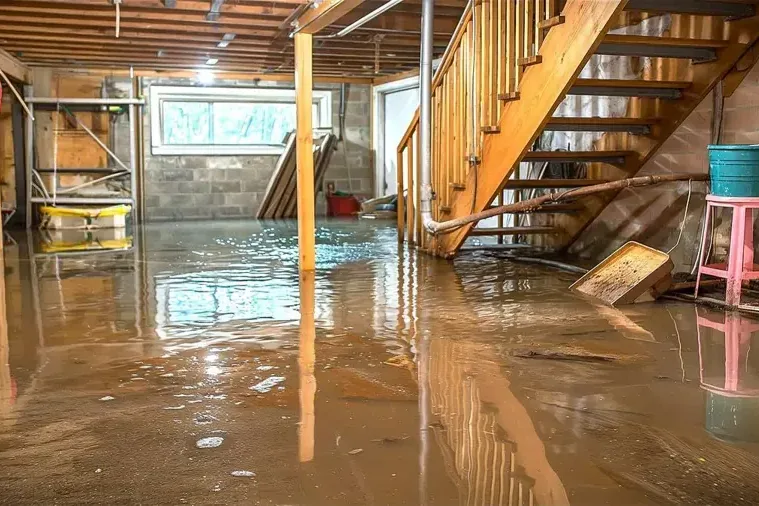
First steps when basement flooding and water removal hits
- Stay out of the water. Standing water can hide live outlets and a powered panel, so keep out until the power is off.
- Find and stop the source. If a pipe or the water heater is leaking, close its valve. If the water came from outside or a drain, it cannot be stopped, so note how high it rose and when it started.
- Save and record. Photograph the damage, then lift small valuables and electronics to a dry spot and keep receipts before anything is thrown out.
- Get drying moving. Open windows only if the air outside is dry, run a fan on dry air and call for extraction so moisture does not climb the walls.
A flooded basement is a race between standing water and the walls that soak it up. In Roseville, floodwater and sewage reached basements on Blumfield Street near I-696 during the flash flood of July 6, 2019, so the team treats unknown water as contaminated until the source is clear, much as sewage backup cleanup does. That means gloves, containment and a plan for the porous materials before any drying starts.
What does basement flooding and water removal cost in Roseville, MI?
Cost follows the depth of the water, whether it was clean or contaminated, and how many finished materials it reached, so an unfinished room costs far less than a finished level.
Unfinished basement
- Water across a bare slab and block walls
- Pump-out, wash-down and slab drying
- Clean or gray water addressed early
Finished basement
- Soaked carpet, pad, paneling or drywall
- Wet finishes cut out and cavities dried
- Several days of dehumidifier runtime
Sewage or deep water
- A floor drain backup or deep standing water
- Containment and Category 3 removal
- Antimicrobial cleaning ahead of drying
Ranges are typical, not a quote: the water category, square footage, material class and how fast drying started move the number most. Run the water damage cost calculator for a closer range.
How the water is removed and sorted
Water leaves first, then the team separates what can be saved from what cannot.
- Submersible pumpsPumps move deep water out through hoses to a safe discharge point, and a strainer keeps debris from clogging the intake while the level drops by stages.
- Truck-mounted extractionOnce the depth is down to a film, extractors pull the water that soaked into carpet, pad and wood.
- Sorting wet materialsPad, paneling and drywall that wicked water upward are cut out, and solid items are lifted onto blocks so the floor can dry.
- Contaminated waterSewage is bagged and hauled, never dried in place.
Water in the basement right now?
Extraction, drying and the claim file start with one call.
Why contamination changes the cleanup plan
Clean water from a supply pipe can often dry in place, but water that came up through a floor drain is Category 3, which means containment, removal of porous finishes and antimicrobial cleaning. Gray water from an appliance or a sump pit sits in between and still needs a careful look at what it soaked.
The team labels the water category at the start, and the label drives what is removed, what is disinfected and how long the drying runs.
How the basement is dried afterward
After the water is out, the walls and slab still hold moisture. The team maps the wet areas with a meter and thermal camera, opens the cavities that stay wet and sets dehumidifiers and air movers, the core of structural drying, so humidity falls evenly. Readings are taken each visit and compared with a dry reference, and the equipment stays until the numbers match. That measured finish is what protects flooring, framing and the insurance file.
How basement flooding and water removal is handled, step by step
Walkthrough and safety
The tech walks the level, checks for power and structural hazards, and identifies the water category before anything is moved.
Moisture map
A meter and thermal camera trace the wet path through slab, walls and the ceiling below, and the readings become the baseline for the job.
Removal and drying setup
Wet materials come out, surfaces are cleaned or disinfected, and equipment is placed so air moves across the slab and every wall.
Daily readings
Moisture is measured each visit, equipment is adjusted, and the file closes only when every material matches its dry goal.
What every dry-out here is held to
Rapid local response
Dispatch runs 24/7, and active water is treated as urgent at any hour, nights and holidays included.
IICRC S500 drying standard
Moisture mapping comes first, then structural drying with air movers and LGR dehumidifiers until readings reach the dry goal.
Claim-ready documentation
Moisture maps, daily psychrometric logs and timestamped photos taken before any tear-out go into the claim file.
Lakeshore water know-how
Prewar basements, combined sewers, heavy clay and ice dams shape most losses near Lake St. Clair, and the walkthrough checks for each one.
Basement flooding and water removal across Roseville and nearby
Basement water work covers the city, including the Blumfield Street area near I-696, the Gratiot Avenue corridor, the Common Road area and homes in the Macomb Mall area.
The same service nearby: basement flooding and water removal in Grosse Pointe, Eastpointe, Harper Woods.
Water damage restoration in Roseville › Every town covered ›
Related water damage services in Roseville
Basement Flooding and Water Removal questions in Roseville
How long does it take a flooded basement to dry?
Most basements need about three to five days of equipment, though dense slabs, plaster or paneled walls can run longer. Readings, not the calendar, decide when equipment leaves.
Is sewage in the basement an emergency?
Yes. Sewage carries bacteria, so everyone stays out, the source is identified and the room is treated as Category 3 with containment and removal of anything porous.
Can finished basement carpet be saved?
Sometimes. Clean water caught early may allow the carpet to be lifted and dried, but the pad is usually replaced, and any carpet touched by sewage is discarded.
What should be moved out of a wet basement?
Electronics, paper, photos and small valuables go to a dry floor above the water first. Heavy furniture can stay on blocks until the team can lift it safely.
Will insurance pay for basement flooding?
That depends on the policy and on how the water entered, so the carrier makes the call. Photos, readings and a clear scope of work give the adjuster what is needed.
Why does a basement smell after the water is gone?
Damp materials keep releasing moisture long after standing water is pumped out, so odor means something is still wet, and drying has to continue.
Stop basement water from spreading
Walls and slab keep absorbing moisture until the water is out and the dehumidifiers are running, so an early call keeps more of the finished space intact.
(888) 612-9219Roseville basement help