Water Damage Restoration Grosse Pointe, MI
24/7 water damage restoration in Grosse Pointe, MI. The restoration team pumps out flooded basements, cleans up floor drain backups and dries the structure to the IICRC S500 standard, with every step documented for your insurance claim.
(888) 612-9219Tap to start emergency water removalWhy water damage in Grosse Pointe starts in the basement
Most houses here went up before World War II over full basements, many finished as rec rooms, on heavy lake plain clay that holds water against the walls. Older combined sewers carry storm water and sewage in the same pipe, so a summer cloudburst can push water up through floor drains, as the June 2021 storm did across the Pointes and Detroit's east side. Winter adds frozen pipes and ice dams.
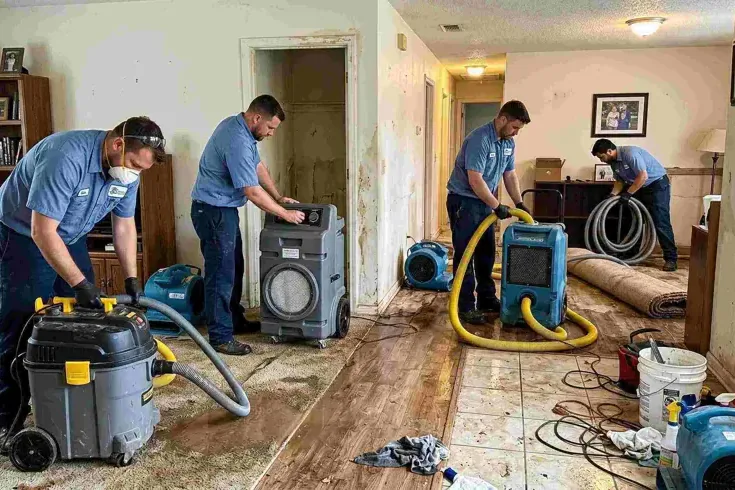
Finished prewar basements
Carpet, paneling and drywall over block walls soak up water fast and hide it behind the finish.
Floor drain and sewer backups
Combined sewers surcharge in heavy rain and push Category 3 water up through basement drains.
Summer cloudbursts
The August 2014 and June 2021 storms dropped several inches of rain in hours and flooded basements across the area.
Frozen and burst pipes
Hard freezes split pipes in exterior walls, sunrooms, porches and crawl spaces, which then leak as they thaw.
Ice dams and roof leaks
Snow melts over warm attics and refreezes at the eaves, backing water under shingles and into ceilings.
Clay soil and lake levels
Heavy clay and high Lake St. Clair levels, a record in 2019 and 2020, keep groundwater pressing on foundations.
Water Damage Restoration Services in Grosse Pointe, MI
Water and sewage only, from emergency extraction to structural drying. Each page covers one kind of water loss.
 01Local risk
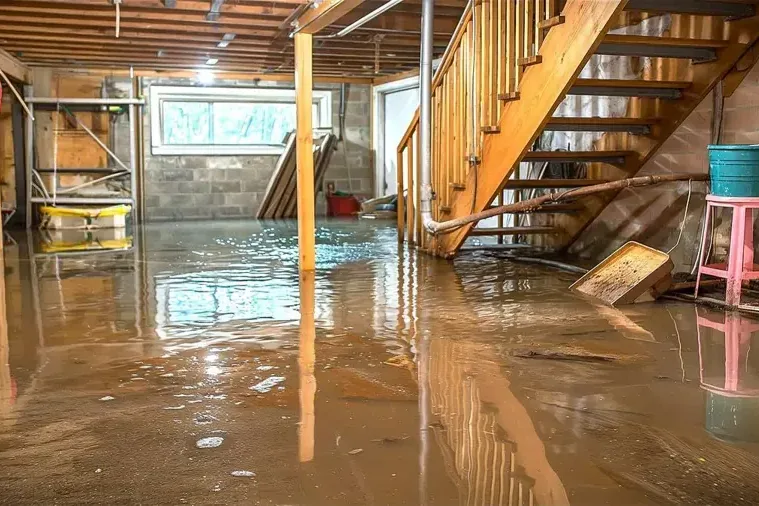
Basement Flooding and Water Removal
Pump-out, wet finishes pulled and the slab and walls dried to a measured reading.
Read about this service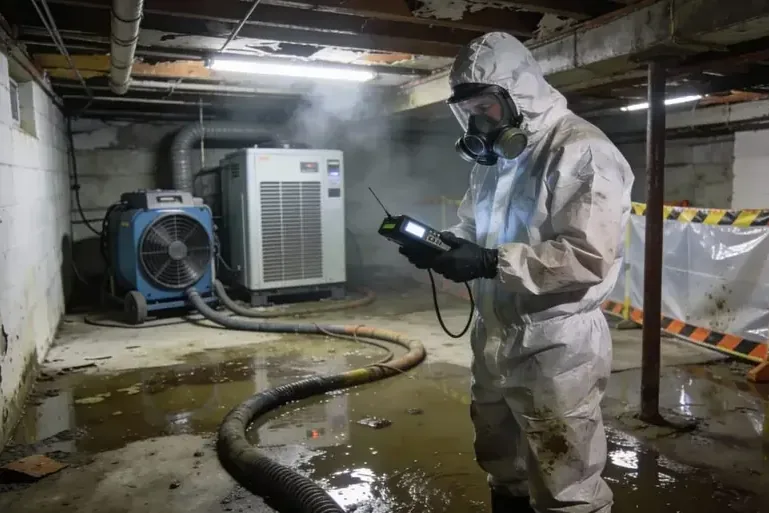 02Local risk
Sewage Backup and Floor Drain Cleanup
Floor drain backups treated as Category 3, removed, cleaned and dried.
Read about this service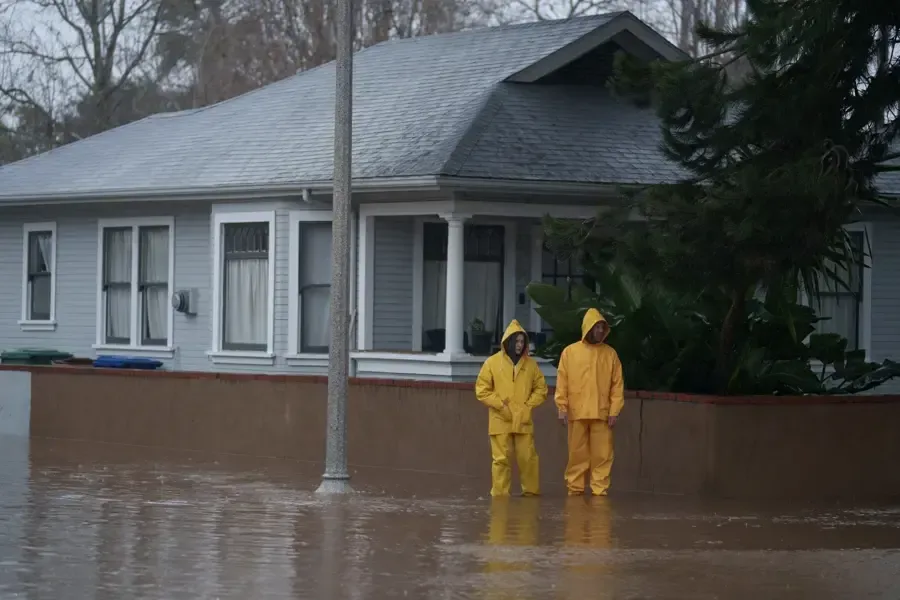 03Local risk
Storm and Flash Flood Cleanup
Cloudburst water through window wells and doors extracted and dried.
Read about this service 04Local risk
Frozen Pipe Burst Cleanup
Split pipes in exterior walls and sunrooms shut down and dried out.
Read about this service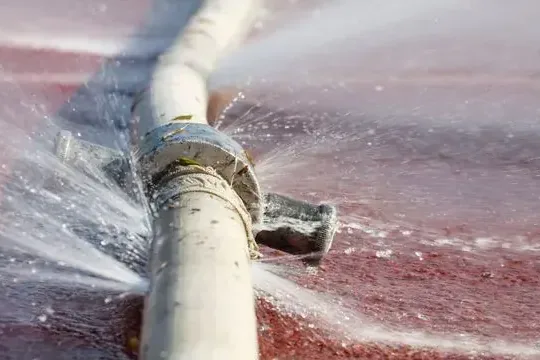 05
05Burst and Leaking Pipe Cleanup
Old galvanized and copper supply failures traced and the walls dried.
Read about this service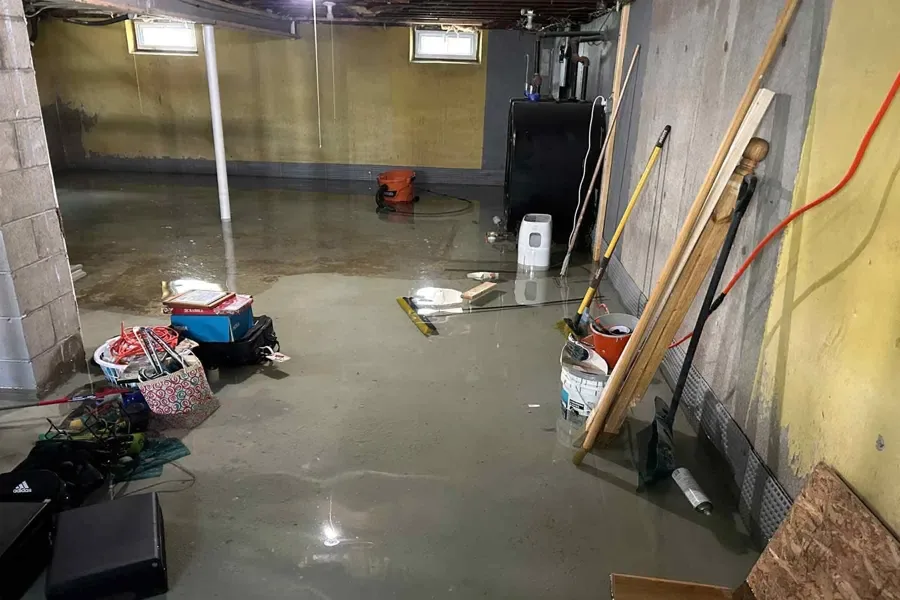 06
06Sump Pump Failure Cleanup
Overflowed pits cleaned up after a power loss or a stuck float.
Read about this service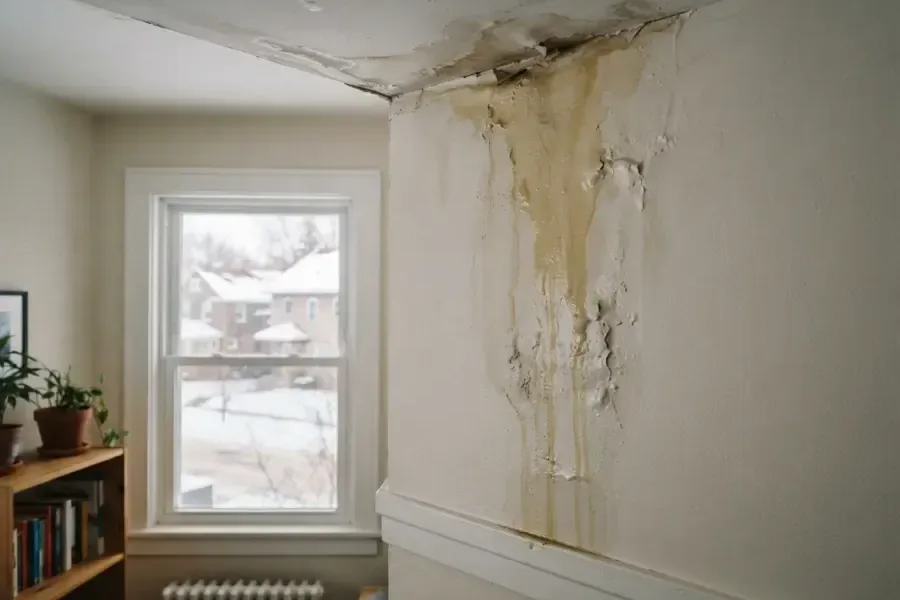 07
07Ice Dam and Roof Leak Water Damage
Meltwater behind ice dams dried out of attics, ceilings and walls.
Read about this service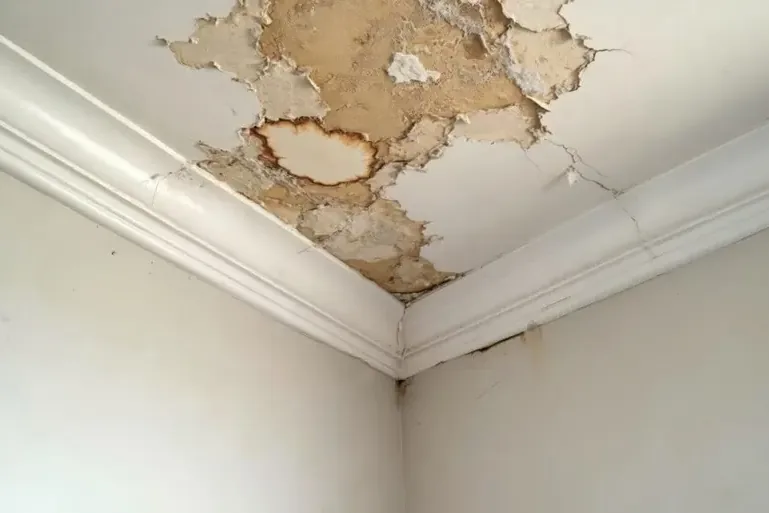 08
08Ceiling Leak Water Damage
Bath, radiator and supply leaks from above traced and the ceiling dried.
Read about this service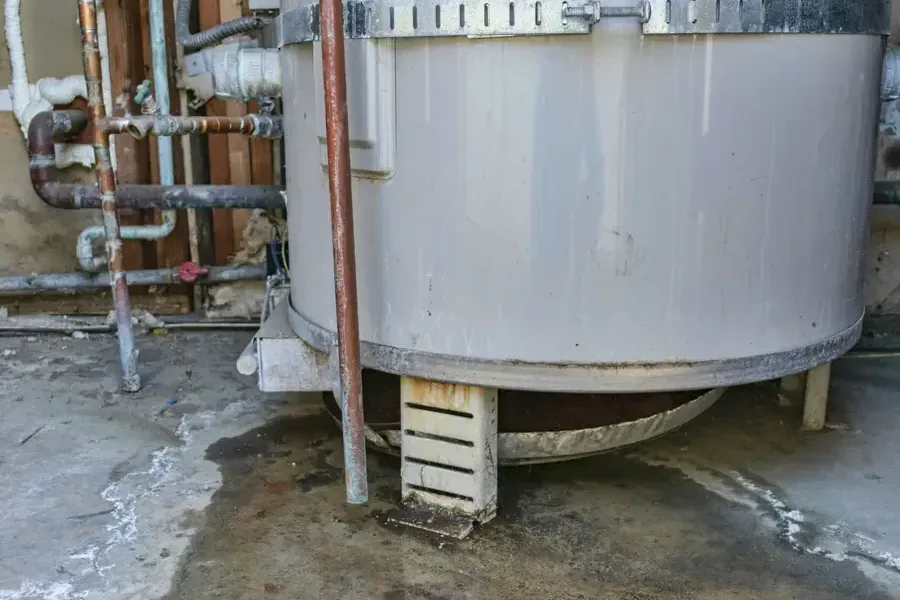 09
09Water Heater Leak Cleanup
Failed basement tanks extracted before boxes and finishes soak through.
Read about this service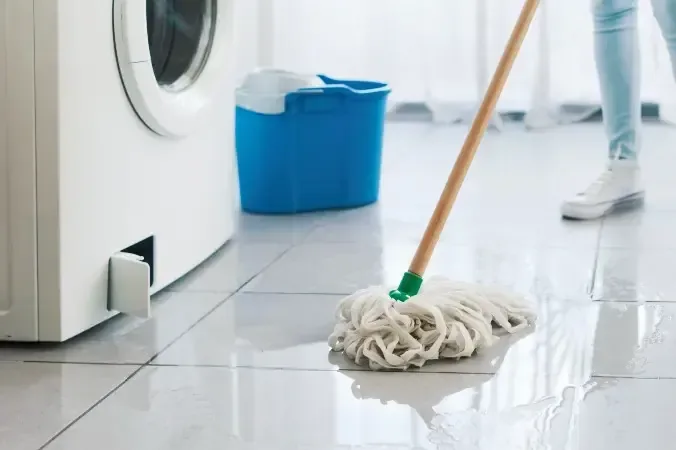 10
10Washer, Dishwasher and Appliance Leaks
Washer hose, dishwasher and ice maker leaks dried from floors and ceilings.
Read about this service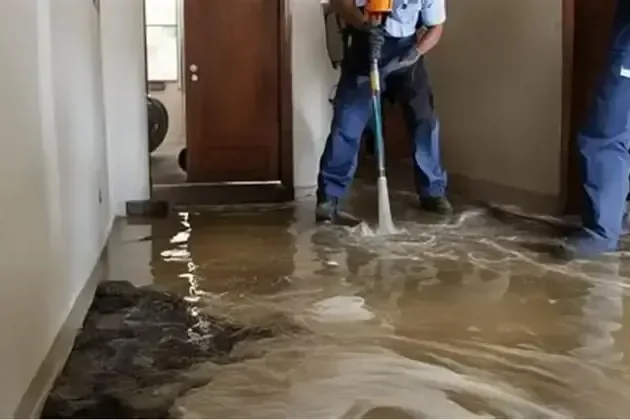 11
11Water Extraction and Removal
Truck-mounted and submersible extraction pulls standing water fast.
Read about this service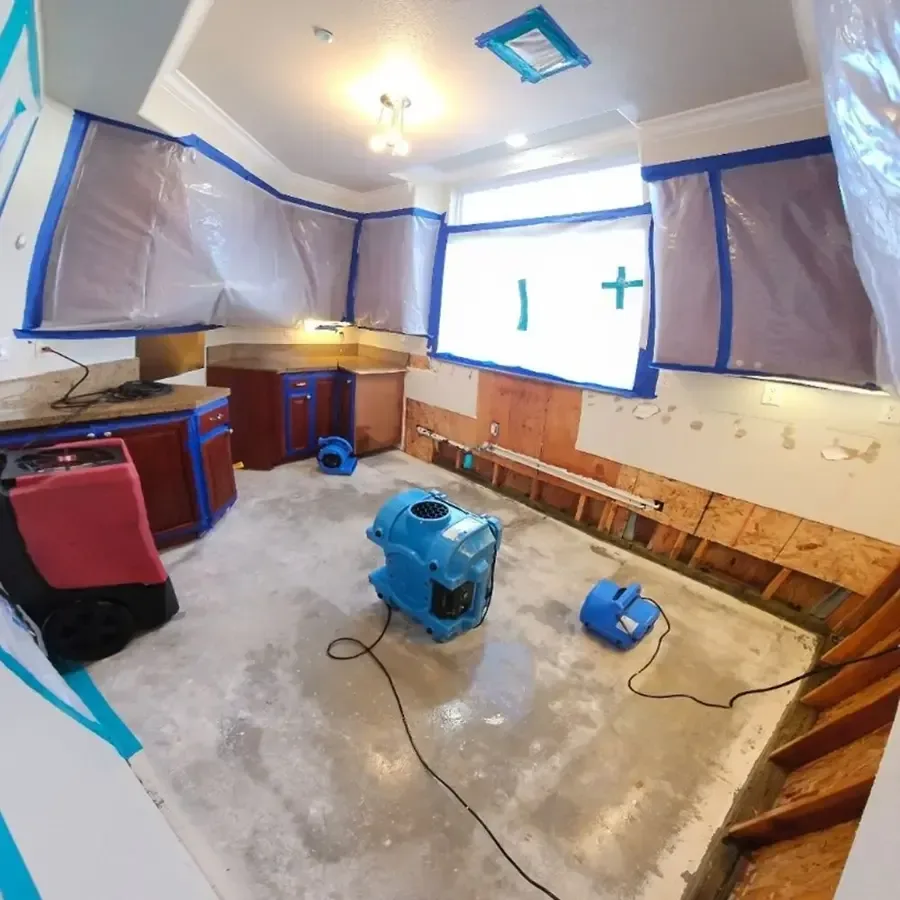 12
12Structural Drying and Dehumidification
Framing, plaster and concrete dried to within 2 to 4 points of dry.
Read about this serviceWhat to do while the water is still moving
- Shut the water off at the main, usually in the basement where the service pipe comes through the front wall, so a split pipe or failed tank stops feeding the floor.
- Stay out of water near outlets, the furnace or the electrical panel, and keep everyone away from a floor drain backup.
- Move rugs, boxes and furniture off the wet floor, and photograph everything before it moves for the claim.
- Call, and the restoration team sends a crew with extraction gear, air movers and moisture meters, day or night.
The gear a real dry-out runs on
- Truck-mounted and submersible pumps pull standing water out of basements and off floors.
- LGR dehumidifiers pull moisture out of the air, with desiccant units for dense plaster and concrete.
- Air movers are set to each room's evaporation load, not a fixed count.
- Thermal imaging and pinless meters find water behind paneling, plaster and drywall.
From the first call to a dry, verified house
Call and dispatch
Dispatch takes the details and sends the nearest available crew, any hour.
Stop the source
The response team finds where the water came from and shuts it down.
Extract the water
Pumps and extraction wands clear floors, carpet and basement slabs.
Dry and measure
Air movers and dehumidifiers run while the drying team logs readings daily.
Document the loss
Readings, photos and a line-item scope go into the claim file.
How a water loss is handled here
Rapid local response
Dispatch runs around the clock, and active water is treated as urgent at any hour, holidays included.
IICRC S500 drying standard
The mitigation team dries with meters and thermal imaging and stops only when readings reach the dry goal.
Claim-ready documentation
Moisture maps, daily psychrometric logs and timestamped photos taken before demolition go to the adjuster.
Local water know-how
Combined sewers, prewar basements, clay soil and ice dams shape how water moves through these homes.
Water damage dried to the IICRC S500 standard
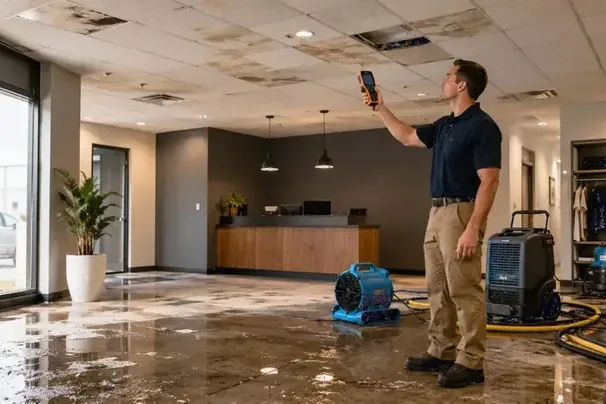
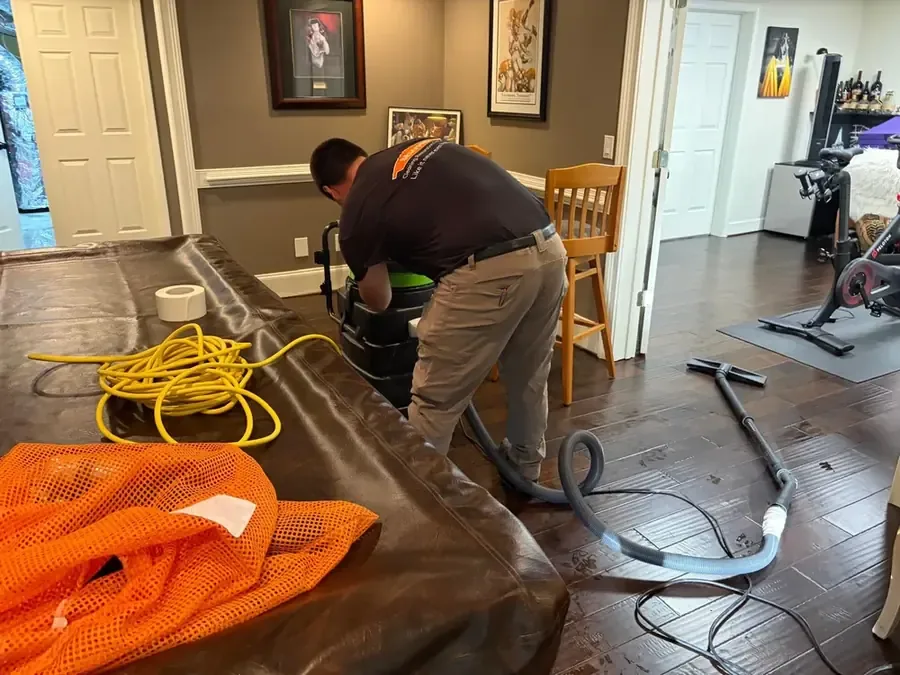
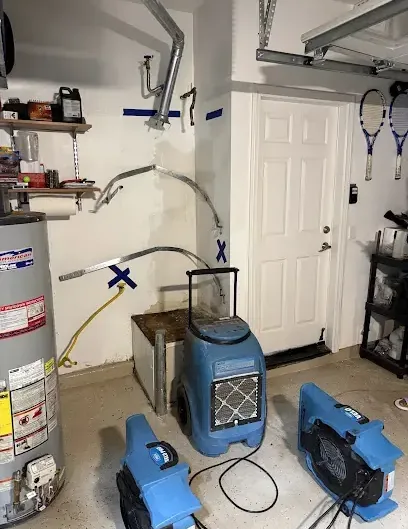
Moisture mapping comes before any equipment goes down. Then extraction, air movers and LGR dehumidifiers run until materials read within 2 to 4 points of a dry reference, not until they look dry.
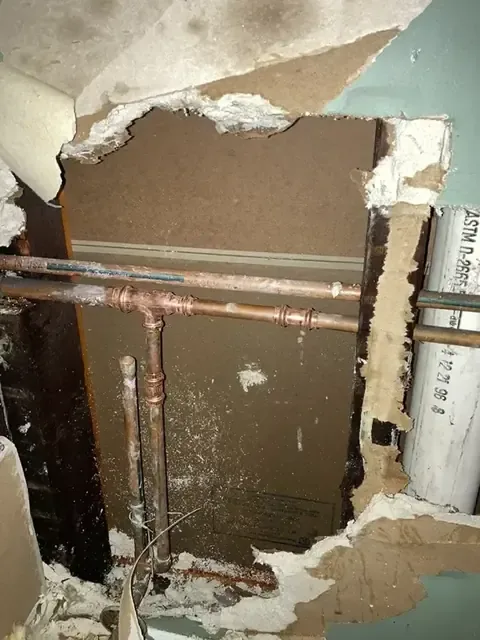
What a water damage dry-out looks like
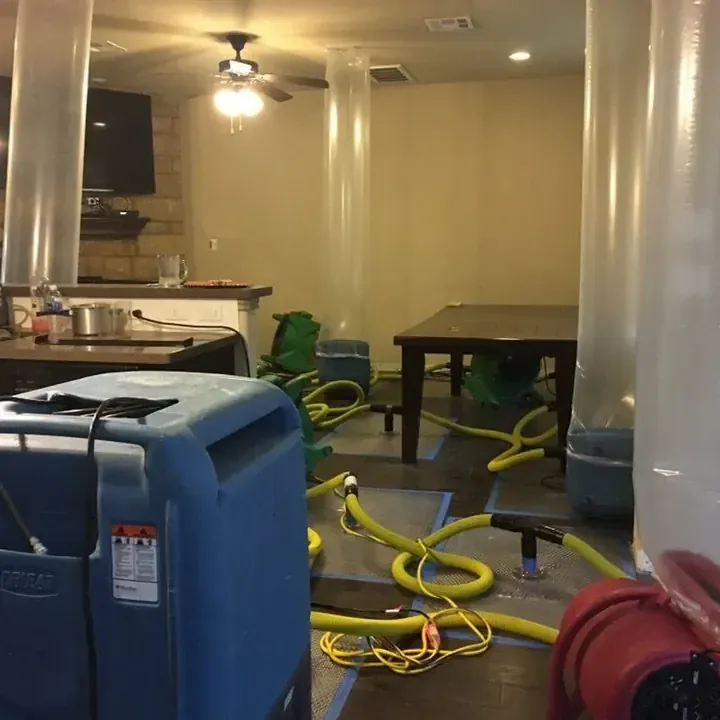
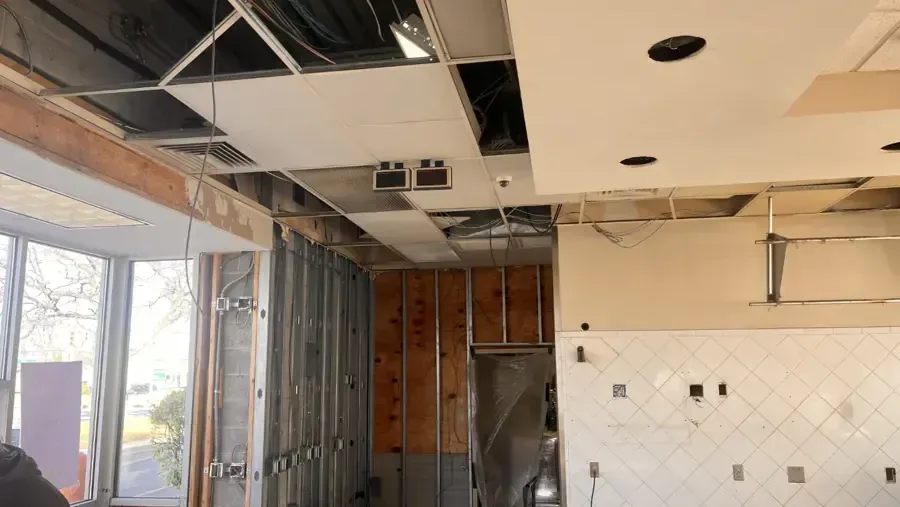
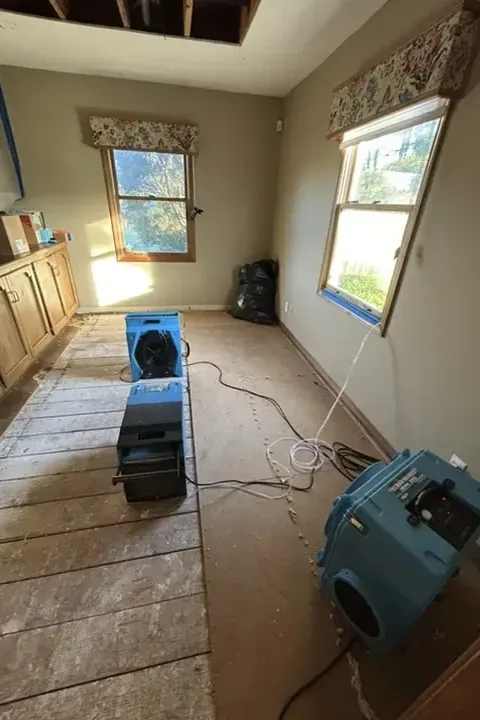
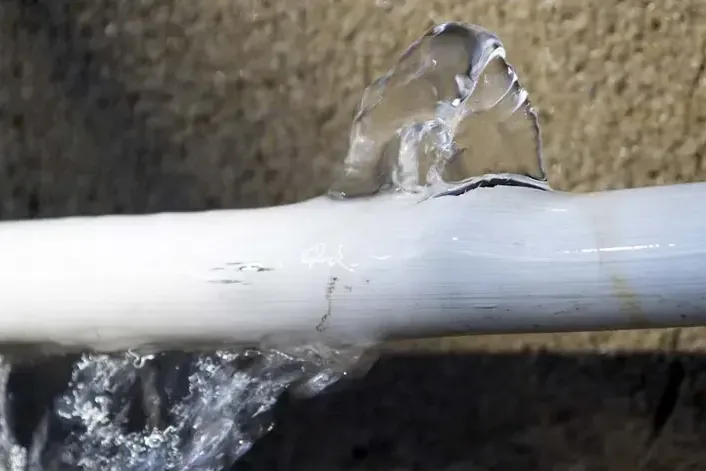
Coverage across the Pointes and the lakeshore
Dispatch covers the City, the four other Pointes and the communities just inland, around the clock.
ZIP codes covered
Near the lake but outside these ZIPs? Call and dispatch confirms coverage.
The City (48230)
The other Pointes
Nearby cities
All water damage categories covered in Grosse Pointe, MI
Clean, gray or black, each category of water is handled differently under the IICRC S500 standard.
Category 1, clean water
A burst supply pipe, a failed water heater or a washer hose. Extracted and dried in place before it turns dirty.
Burst pipe cleanup ›Category 2, gray water
Dishwasher or washer drain water and some sump overflow. Pad and soaked materials are usually pulled and surfaces treated.
Appliance leak cleanup ›Category 3, black water
Floor drain and sewer backups and outside floodwater. Contained, porous materials removed, then cleaned and dried.
Sewage backup cleanup ›What does water damage restoration cost in Grosse Pointe, MI?
Water damage restoration here typically runs $500 to $8,000 or more, set by the water category, how many square feet got wet, whether the basement is finished and how fast drying started.
Small clean-water leak
- One room or a single pipe or appliance leak
- Extraction and drying in place
- Category 1 water caught early
Finished basement
- A flooded rec room or several rooms
- Pump-out, tear-out of soaked finishes, drying
- Gray water or long exposure
Sewer backup or whole level
- Floor drain backup or heavy saturation
- Containment, removal and antimicrobial
- Category 3 black water
Want a number for your own loss first? The water damage cost calculator gives a typical range in under a minute.
Documentation for your insurance claim
Sudden and accidental water, like a burst pipe or a failed water heater, is often covered. Sewer backup usually needs its own endorsement, and outside floodwater needs flood insurance. The claim file includes:
- A moisture map of every wet area
- Daily psychrometric drying logs
- Timestamped photos taken before any demolition
- The water category and class of loss
- A line-item scope of the work
Coverage depends on your policy, so check with your own insurer before anything beyond emergency drying.
Water damage questions from Grosse Pointe homeowners
How fast can a crew respond in the Pointes?
Dispatch runs 24/7 and sends the nearest available crew as soon as you call. Timing depends on the hour and on demand after a big storm, so mention your street or ZIP and whether water is still coming in.
My basement floor drain backed up in a storm. What now?
Stay out of the water and keep children and pets away. A floor drain backup is Category 3 from the start, so the cleanup crew contains the area, removes soaked porous materials, cleans and treats surfaces and then dries the basement.
A pipe froze and burst. What happens next?
Shut the water off at the main and cut power to any wet circuits if it is safe. The extraction crew pulls the water, opens the wall cavity the pipe soaked and dries the framing to a measured reading.
Is water from an ice dam covered by insurance?
Many homeowner policies treat interior damage from an ice dam leak as sudden and accidental, while the roof repair may be handled differently. Coverage depends on your policy, so check with your own insurer.
How long does drying take?
A contained Class 1 loss usually dries in three to five days. Plaster walls, basement slabs and hardwood take longer, and the drying team logs readings daily until materials reach the dry goal.
Does the drywall or paneling have to come out?
Not always. Clean water caught early can often be dried in place with cavity drying. Materials touched by sewage, or soaked for days, get cut out above the water mark and replaced.
What is the IICRC S500 standard?
IICRC S500 is the industry standard for water damage restoration. It sets how a loss is classed, how much equipment a room needs and that materials are dried to a measured goal, not until they look dry.
What is the difference between mitigation and repair?
Mitigation stops the damage: extraction, removal of ruined materials and drying. Repair puts the home back with new drywall, flooring and paint. Insurers usually treat the two as separate parts of a claim.
How is the cost figured?
Cost follows the water category, the square footage that got wet, the materials involved and how long the water sat. A line-item scope built from the moisture map shows each piece.
Why does speed matter after a basement floods?
Mold can start growing on wet materials within 24 to 48 hours. Fast extraction and drying to the S500 goal keeps the structure from getting there.
Water in the basement? A drying crew is one call away, 24/7
Every hour water sits, it climbs higher into walls and finishes. Call and the restoration team starts with extraction and a moisture map.
(888) 612-9219Talk to dispatch about the flooding