Basement Flooding and Water Removal in Center Line, MI
Water in a basement gets pumped out, soaked finishes come up and the concrete floor and wall bases are dried with logged readings for older Center Line homes.
(888) 612-9219Report basement water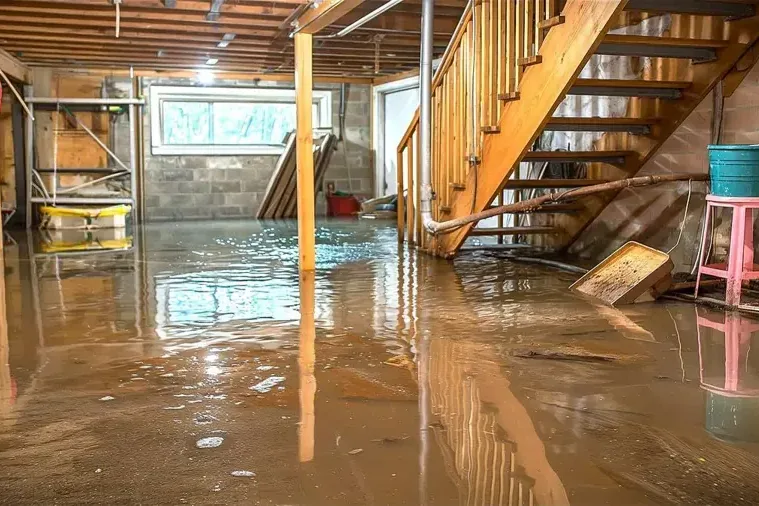
First steps when basement flooding and water removal hits
- Stop the source. Close the main water valve for a pipe failure, stop using drains if sewage is involved, and cut power to wet areas at the breaker before stepping in.
- Protect people first. Stay out of standing water near outlets, watch for slick stair treads, and keep children and pets away from any water that came up a drain.
- Photograph and lift. Capture the water mark, damaged items and the source, then lift furniture and boxes onto dry blocks.
- Report the loss. Describe the depth and the source so pumping and drying equipment can be loaded for the job.
A flooded basement is rarely one problem. Rain-driven water, a failed sump pump, a split supply pipe or a backed-up drain each leave a different kind of water behind, and the cleanup plan follows the source. In Center Line, the city's Rain to Roots program for high flood-risk areas is a reminder that runoff is a live concern, though water can also arrive from inside the house.
What does basement flooding and water removal cost in Center Line, MI?
Basement cleanup cost depends on how deep the water got, whether it was clean or contaminated, and how many finished materials were soaked, so the three tiers show the usual spread.
Unfinished basement
- Bare floor and block walls take the water
- Pumping, cleaning and floor drying
- Water caught while still clean or gray
Finished basement
- Carpet, paneling or drywall soaked
- Tear-out of wet finishes, then cavity drying
- Several days of dehumidifier runtime
Sewage or deep water
- Standing depth or a floor drain backup
- Containment, disposal and Category 3 removal
- Antimicrobial treatment before drying
Ranges are typical, not a quote: the water category, square footage, material class and how fast drying started move the number most. Run the water damage cost calculator for a closer range.
What a basement cleanup involves
The work is sequenced so water leaves first and drying starts on solid footing.
- Pump-outA submersible pump lowers the standing water in stages so walls and the floor are not stressed by a sudden change, then an extractor handles what is left on the concrete.
- SortingCarpet, padding and stored items are separated into what can be dried and what cannot, based on the water source and how long it sat.
- Selective removalSoaked drywall, paneling and insulation come out above the water mark plus a margin so wall cavities can breathe.
- DryingAir movers and dehumidifiers run until the meters read dry.
Basement water right now?
Extraction, drying and the claim file start with one call.
Why older housing changes the approach
Roughly half of the city's 3,754 housing units were built before 1960, so a basement in one of those homes often carries decades of wear: painted block walls, old floor coatings and finished corners that trap moisture. Drying has to reach behind paneling and under thresholds, not just across the open floor.
Newer buildings dry faster, but one rule holds everywhere: measure the walls and floor, not the surface, before calling the space dry.
Documenting a flood for the insurance claim
If the water came up a floor drain, which makes it a sewage backup, the city asks for written notice within 45 days of discovery on its Sewer Back-up Notice of Claim form, and missing that window can bar the claim. Photos of the water level, the damaged belongings and the drain, taken before anything is moved, anchor that notice. For storm and pipe losses an adjuster wants the same record: dated photos, moisture readings, equipment logs and a list of discarded items. The drying team keeps each of those as the job moves, so the file is complete when the last machine leaves. Policy questions belong with the insurer.
How basement flooding and water removal is handled, step by step
Walkthrough and safety
The tech checks for electrical hazards, finds the water source and sorts the water into clean, gray or sewage-grade before any gear goes down.
Measure the damage
Meters and a thermal imager trace how far water spread behind baseboards and into block walls, and those readings become the baseline.
Remove and extract
Pumps and extractors clear the floor, wet finishes are cut out to the water mark plus a margin, and cavities are opened to air.
Dry and verify
Equipment runs while the team returns to log readings, adjust placement and confirm each material reaches its dry target.
What every dry-out here is held to
Rapid local response
Dispatch runs 24/7, and active water is treated as urgent at any hour, nights and holidays included.
IICRC S500 drying standard
Moisture mapping comes first, then structural drying with air movers and LGR dehumidifiers until readings reach the dry goal.
Claim-ready documentation
Moisture maps, daily psychrometric logs and timestamped photos taken before any tear-out go into the claim file.
Lakeshore water know-how
Prewar basements, combined sewers, heavy clay and ice dams shape most losses near Lake St. Clair, and the walkthrough checks for each one.
Basement flooding and water removal across Center Line and nearby
Basement work runs across Center Line, covering older houses on the side streets, Kramer Homes Co-operative, and buildings along Van Dyke Avenue and East Ten Mile Road.
The same service nearby: basement flooding and water removal in Grosse Pointe, Eastpointe, Roseville.
Water damage restoration in Center Line › Every town covered ›
Related water damage services in Center Line
Basement Flooding and Water Removal questions in Center Line
Can a flooded basement be saved?
Usually yes when the water is removed promptly and the walls and floor are dried to target readings. Sewage and long-standing water change the plan, since porous materials may have to go.
Does the city help with a flooded basement?
The city runs Rain to Roots for high flood-risk areas, offering stormwater consultations and rain barrels, but that program is about prevention. Pumping and drying remain the owner's job.
Is a finished basement harder to dry?
Yes. Carpet, padding, paneling and framed walls hold water against the concrete, so more material comes out and the cavities need extra airflow and longer dehumidifier time.
Should the sump pump be checked afterward?
Yes. If the pit overflowed or the pump failed, the cause matters before the next storm. A plumber can test it while the drying team works around the pit.
How is the water categorized?
Clean supply water, gray appliance water and black sewage are handled differently. Category 3 calls for containment, disposal of porous items and antimicrobial treatment before drying starts.
What records come with the job?
Dated photos, daily moisture readings, equipment logs and a list of removed materials that an adjuster can follow.
Get the floor and walls dry again
Describe the water depth and what is wet, and the team will plan extraction, removal and drying for the basement before the damage spreads.
(888) 612-9219Send basement details