Water Extraction and Removal in Harper Woods, MI
Standing water starts soaking into floors and walls right away. The extraction crew brings pumps, wands and truck-mounted gear sized to the job, then checks what is still wet.
(888) 612-9219Get the standing water out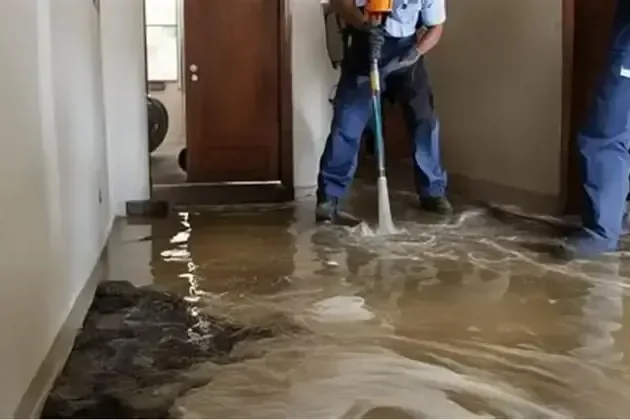
First steps when water extraction and removal hits
- Stop the source. Shut the valve or turn off the appliance feeding the water, if it can be done safely.
- Mind the power. Stay clear of standing water near outlets, cords and panels until power is off.
- Lift what you can. Raise small furniture, rugs and boxes onto dry surfaces and note what was wet.
- Call before it soaks in. Extraction works best on water that is still on the surface.
Extraction is the first job after any water loss. Getting the bulk of the water out in one pass cuts the drying load, and what a crew finds while pumping shapes the rest of the plan. In Harper Woods, where more than 85 percent of the housing was built between 1940 and 1969, protecting older flooring and finishes matters as much as speed.
What does water extraction and removal cost in Harper Woods, MI?
A single room with clean water often costs $300 to $900 to extract. A basement level runs higher, and large or contaminated losses reach the top of the range once extra crew and disposal are added.
Single room
- Clean water on one floor
- Portable or truck unit
- Carpet pad checked
Basement level
- Inches of water on a slab
- Submersible pump-out
- Carpet and pad extraction
Large or contaminated
- Several rooms or deep water
- Category 2 or 3 handling
- Extra crew and disposal
Ranges are typical, not a quote: the water category, square footage, material class and how fast drying started move the number most. Run the water damage cost calculator for a closer range.
Matching the gear to the water
Different jobs call for different tools.
- Portable extractorsA wand unit handles a kitchen, hallway or single carpeted room with water on top.
- Truck-mounted unitsLarger losses use high-suction machines that run from the truck through long hoses.
- Submersible pumpsInches of standing water on a slab are pumped out before wands finish the job.
- Pad extractionCarpet pad holds water like a sponge, so pad is checked and, if soaked, removed.
Standing water in the house?
Extraction, drying and the claim file start with one call.
Water type decides what happens next
Category 1 water from a clean supply can often be extracted and dried in place. Category 2 water carries some contamination, so porous materials get closer scrutiny. Category 3 water, such as sewage or floodwater, calls for containment and removal of what it touched.
Not every flood starts at a pipe
Water main breaks in 2026 shut off service to nearby residents for hours, and the city asked residents to flush pipes until the water ran clear. A tub or sink left running over a slow drain is a common way to flood a floor after service returns. After pumping, the crew checks the carpet pad, baseboards and subfloor with a meter. Whatever is still wet moves to structural drying and dehumidification, and a loss at the lowest level is covered by basement flooding water removal. The water extraction service lays the groundwork for every other job.
How water extraction and removal is handled, step by step
Walk and classify
The tech finds the extent of the water, classifies it and picks the right extraction tools.
Pump and extract
Submersible pumps clear the depth, then wands and truck-mounted units pull the rest.
Pad and subfloor check
Carpet pad, baseboards and subfloor are tested, and soaked pad is removed.
Hand off to drying
A moisture map goes to the drying team so equipment can start on a measured basis.
What every dry-out here is held to
Rapid local response
Dispatch runs 24/7, and active water is treated as urgent at any hour, nights and holidays included.
IICRC S500 drying standard
Moisture mapping comes first, then structural drying with air movers and LGR dehumidifiers until readings reach the dry goal.
Claim-ready documentation
Moisture maps, daily psychrometric logs and timestamped photos taken before any tear-out go into the claim file.
Lakeshore water know-how
Prewar basements, combined sewers, heavy clay and ice dams shape most losses near Lake St. Clair, and the walkthrough checks for each one.
Water extraction and removal across Harper Woods and nearby
Extraction runs along the Kelly Road corridor, at the Eastland Commerce Center site and across the Vernier Road and Eight Mile Road area, plus homes near Salter Park and the Woodland and Woodcrest streets.
The same service nearby: water extraction and removal in Grosse Pointe, Eastpointe, Roseville.
Water damage restoration in Harper Woods › Every town covered ›
Related water damage services in Harper Woods
Water Extraction and Removal questions in Harper Woods
What does extraction include?
Pumping and vacuuming standing water, checking carpet pad and baseboards and mapping what remains wet, so drying can start on a measured basis.
Is extracted water always the same type?
No. Clean supply water, gray appliance water and sewage are handled differently, and the category can worsen if water sits.
Can carpet be saved after extraction?
Carpet can survive clean-water exposure when extracted quickly. The pad underneath is often replaced because it holds water.
Do hardwood floors need special tools?
Hardwood benefits from low-moisture drying methods after bulk extraction. Aggressive vacuuming can damage a finish, so wands are used carefully.
Why does older construction matter?
More than 85 percent of local housing was built between 1940 and 1969. Older homes often have finishes worth protecting, so crews test before removing anything.
What if the water keeps coming?
Extraction stops being useful until the source is closed. Close the valve first, then pump.
Pump it out, then dry it
The extraction crew brings pumps and truck-mounted gear, removes the water and hands the moisture map to the drying team, with photos kept for the claim.
(888) 612-9219Get an extraction plan