Basement Flooding and Water Removal in Hamtramck, MI
Heavy rain can overload the combined sewer and put water across a basement floor fast. The extraction crew pumps it out, strips what cannot dry and sets equipment for the slab and walls.
(888) 612-9219Get the pumps moving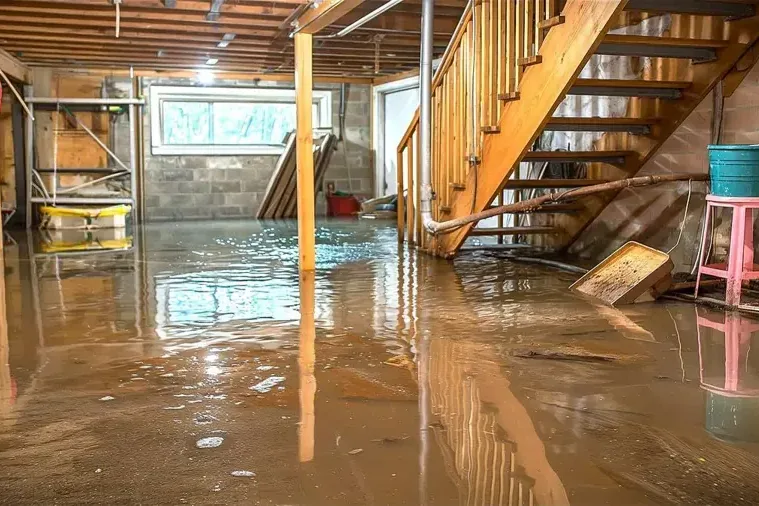
First steps when basement flooding and water removal hits
- Stay out and stay safe. Keep out of standing water until the panel and outlets are known to be safe, and treat anything that rose through a drain as sewage. Wear boots and gloves for any contact.
- Cut off what you can. If water is coming from a supply pipe or an appliance, close its valve. Move electronics, documents and small furniture to dry ground.
- Photograph first. Take pictures of the water mark on the walls and the damaged items before anything is moved, and keep every receipt.
- Bring in the pumps. Request an extraction crew so pumping and drying begin while the slab still holds most of the water.
A flooded basement in Hamtramck usually starts outside the house. FEMA says the city has frequent basement and street-level flooding because its sewer system is undersized, as The Detroit News reported in September 2023, and a hard rain can send water through floor drains, window wells and foundation walls all at once. The extraction crew sorts the water by category first, then pumps out, strips what cannot dry and sets equipment for the slab and walls.
What does basement flooding and water removal cost in Hamtramck, MI?
A small unfinished basement caught early often costs $1,000 to $3,500, a finished one $3,500 to $10,000, and sewage or deep water $8,000 to $25,000 once removal and drying are counted.
Unfinished basement
- Water over a bare slab
- Pump-out, cleaning and slab drying
- Clean or gray water caught early
Finished basement
- Carpet, pad or paneling soaked
- Wet finishes removed, cavities dried
- Several days of dehumidifier time
Sewage or deep water
- Deep water or a drain backup
- Containment and Category 3 removal
- Antimicrobial treatment before drying
Ranges are typical, not a quote: the water category, square footage, material class and how fast drying started move the number most. Run the water damage cost calculator for a closer range.
What a basement flood looks like here
Water arrives from more than one direction, and each path leaves a different mess.
- Sewer surge. Rain and sewage share the same pipes, so a surcharged sewer can push gray or black water up through a floor drain and across the slab.
- Window wells. Cloudburst water pools against the foundation, spills over the well and runs under the sill into the basement.
- Foundation seepage. Saturated soil presses water through the walls and the joint where wall meets floor.
- Pump failure. A sump pump that stalls leaves the pit overflowing.
Water on the basement floor?
Extraction, drying and the claim file start with one call.
How the crew works a flooded basement
Submersible pumps go in first, followed by extractors on carpet and the slab. Wet pad, paneling and the lower drywall come out when they cannot be dried in place, and hard surfaces are cleaned and treated to match the water category. Moisture is mapped across the floor, the lower walls and the stairs so no wet pocket is missed.
Wet drywall and paper can grow mold after 24 to 48 hours, so the equipment goes in on the first visit.
Records that support the claim
The written scope names the water source and category, because most policies treat sewer backup, seepage and sudden leaks differently. Photos of the water mark, the moisture map, daily readings and equipment logs are kept in one file for the adjuster. Wet items should stay put until the adjuster has seen them, and receipts for emergency work belong in the same file.
How basement flooding and water removal is handled, step by step
Walkthrough and category
The tech traces the water to its source, assigns a category and checks outlets and panels before any gear goes in.
Wet-zone mapping
Meters and a thermal camera mark wet carpet, pad, lower drywall and the slab so the dry areas can be protected.
Pump-out and tear-out
Pumps and extractors clear standing water, then soaked pad, paneling and the lower drywall are cut out and hauled.
Drying and readings
Dehumidifiers and air movers run for days while readings are logged, and equipment leaves only when materials reach the dry goal.
What every dry-out here is held to
Rapid local response
Dispatch runs 24/7, and active water is treated as urgent at any hour, nights and holidays included.
IICRC S500 drying standard
Moisture mapping comes first, then structural drying with air movers and LGR dehumidifiers until readings reach the dry goal.
Claim-ready documentation
Moisture maps, daily psychrometric logs and timestamped photos taken before any tear-out go into the claim file.
Lakeshore water know-how
Prewar basements, combined sewers, heavy clay and ice dams shape most losses near Lake St. Clair, and the walkthrough checks for each one.
Basement flooding and water removal across Hamtramck and nearby
Coverage runs across Banglatown, Ducktown, the South End and the rest of ZIP 48212. Wikipedia places I-75 roughly along the western edge and I-94 near the southern edge.
The same service nearby: basement flooding and water removal in Grosse Pointe, Center Line, Harper Woods.
Water damage restoration in Hamtramck › Every town covered ›
Related water damage services in Hamtramck
Basement Flooding and Water Removal questions in Hamtramck
How deep does basement water get here?
In May 2011 some residents reported as much as 4 feet of water after a downpour overwhelmed the sewer. Most calls involve far less, but depth still decides the category and the pump.
Is basement flood water sewage?
Often it is. Because rain and sewage share the same pipes, a surge can push black water through a drain, so unknown water is handled as Category 3 until shown otherwise.
What gets removed and what is saved?
Carpet pad and soaked lower drywall usually go. Concrete, framing and many hard surfaces are cleaned and dried in place, with readings showing when each one is finished.
Can water damage stay hidden?
Yes. Water wicks into wall bottoms and under paneling, so the tech checks with a meter and thermal camera instead of trusting a dry surface.
Should the sump pump be checked too?
Yes. A pump that stalled or was overwhelmed may have caused the flood, and a working pit matters before the next storm.
When can rebuilding start?
Once readings show dry materials. Rebuilding over damp framing invites odor and staining, so the final log is the signal.
Basement water keeps spreading
A dispatcher gathers the details of the flood, then sends pumps, extractors and drying gear matched to the depth and category of the water in the basement.
(888) 612-9219Request pumping today